

What's Happening?
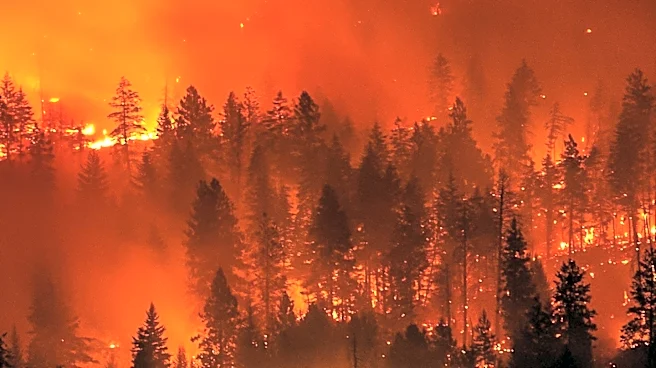
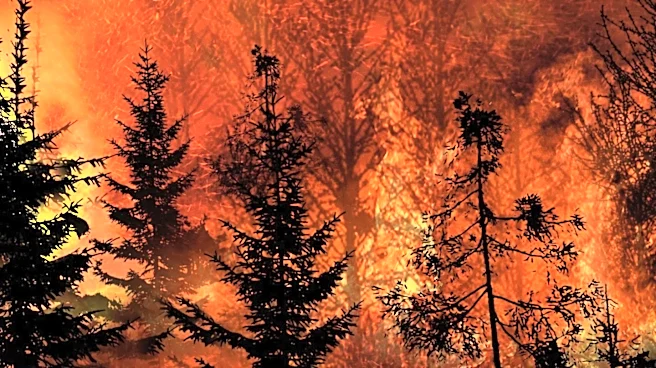
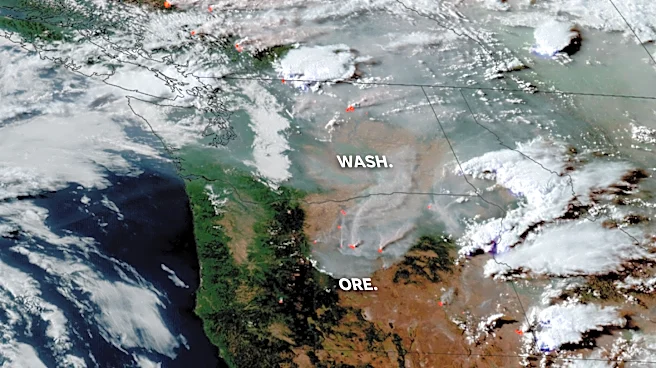
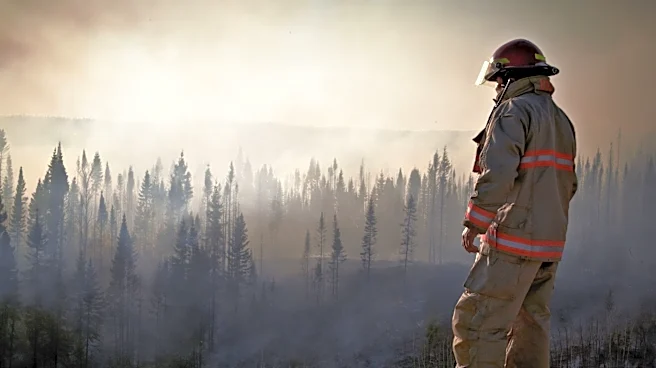
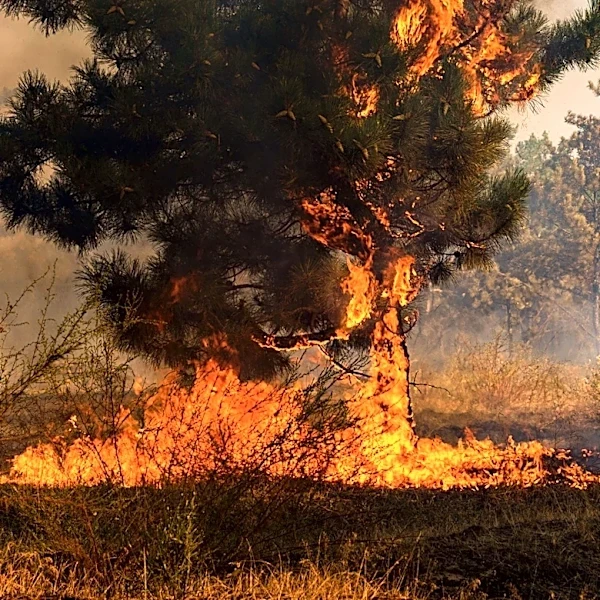
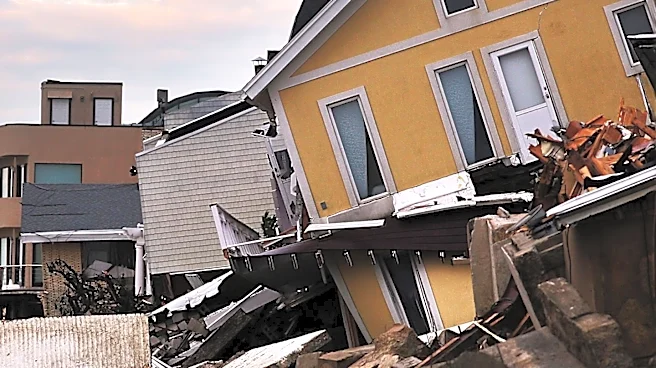
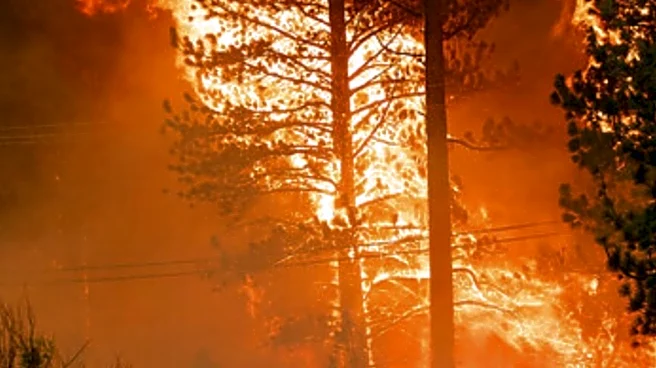
Wildfires on the outskirts of Spokane, Washington, have destroyed over 700 buildings and forced 64,000 residents to evacuate. The fires, which have been burning for three days, are the top firefighting priority in the U.S. due to their severity and impact
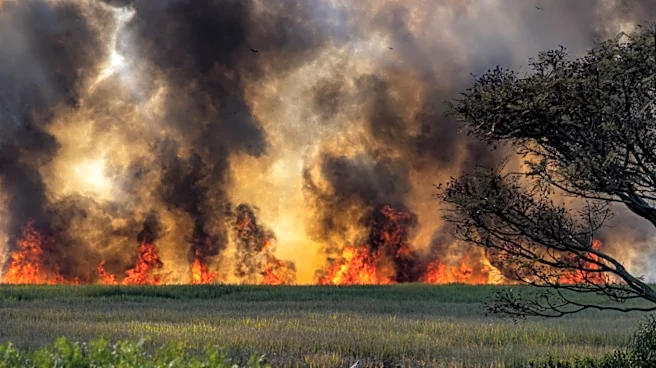
on air quality. The blazes have scorched more than 8,000 acres, with video footage showing extensive smoke and fire-retardant efforts by aircraft. The cause of the fires is under investigation, and no injuries or fatalities have been reported yet, though officials warn this could change as search efforts continue.
Why It's Important?
The Spokane wildfires highlight the increasing frequency and intensity of wildfires in the Pacific Northwest, exacerbated by prolonged drought and climate change. The destruction of homes and displacement of thousands underscore the urgent need for effective wildfire management and climate adaptation strategies. The fires also strain firefighting resources, as they compete with other major blazes across the region. The situation raises concerns about the long-term resilience of communities in fire-prone areas and the adequacy of current emergency response systems.
What's Next?
Firefighters are working to contain the Spokane fires, with hopes of making progress during a brief period of favorable weather. However, high temperatures and winds are expected to return, potentially complicating efforts. Authorities are preparing for possible fatalities and continue to search for missing persons. The incident may prompt discussions on improving fire prevention measures, land management practices, and community preparedness to mitigate future wildfire risks.