






What's Happening?
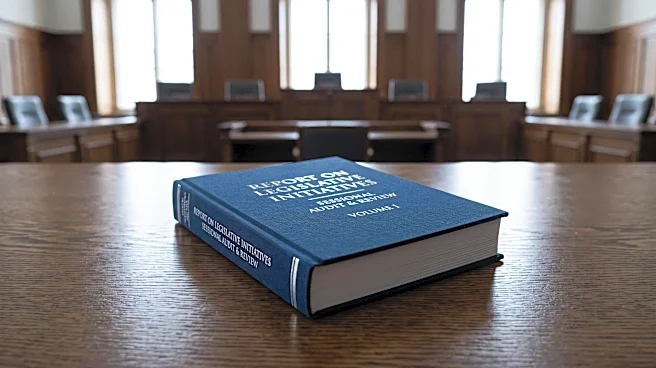
A coalition of educators, lawmakers, and education experts in Texas is advocating for significant limitations on the authority of appointed boards and superintendents during state takeovers of public school districts. This call to action stems from an 81-page
report that details concerns about the current scope of power exercised by state-appointed officials in such situations. The group argues that the extensive control granted during takeovers, exemplified by districts like HISD, can undermine local governance and community input in public education. Their report aims to highlight potential overreaches and suggest reforms that would balance state intervention with local autonomy, ensuring that communities retain a voice in the management and direction of their schools.
Why It's Important?
This initiative is significant because it addresses a critical tension in public education governance: the balance between state oversight and local control. State takeovers of school districts, often implemented in response to persistent academic failure or financial mismanagement, are intended to improve educational outcomes. However, critics argue that such interventions can disenfranchise local communities, leading to decisions that may not align with local needs or values. Limiting the power of appointed boards and superintendents could empower local stakeholders, including parents, teachers, and elected officials, to have a more meaningful role in shaping their children's education. This debate has broad implications for how public schools are managed across Texas and potentially serves as a model or cautionary tale for other states facing similar challenges in struggling school districts.
What's Next?
The release of the 81-page report is expected to spark further discussion and debate among Texas lawmakers, education officials, and community groups. The coalition will likely engage in lobbying efforts to introduce legislation that incorporates their recommendations for limiting state power during school takeovers. This could involve proposing specific amendments to existing education codes or advocating for new policies that establish clearer boundaries for state intervention. Public hearings and community forums may also be organized to gather broader support for these reforms. The outcome will depend on the political will within the state legislature and the ability of the coalition to build consensus around their proposals, potentially leading to significant changes in how Texas manages underperforming school districts.
Beyond the Headlines
The call to limit state power in school takeovers touches upon fundamental questions of democratic accountability and local self-determination in education. While state interventions are often justified by the need to protect students' right to a quality education, the extent of such power can erode the democratic process at the local level. This debate also highlights the complex interplay between educational policy, political power, and community engagement. If successful, these efforts could lead to a re-evaluation of the state's role in local education, potentially fostering more collaborative models of school improvement that prioritize community voice. Conversely, if the calls for limits are not heeded, it could deepen the divide between state authorities and local communities, potentially leading to increased resistance to future state interventions and further politicization of educational governance.