
What's Happening?
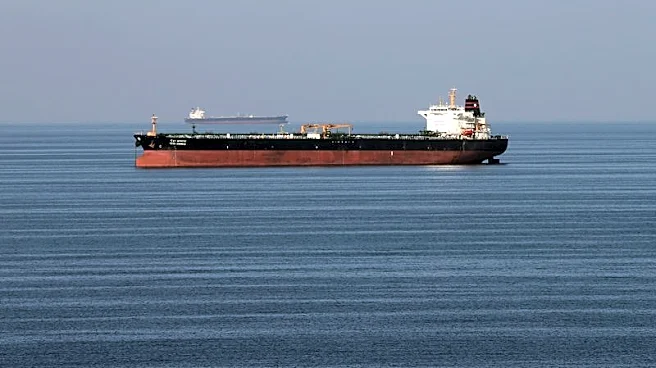
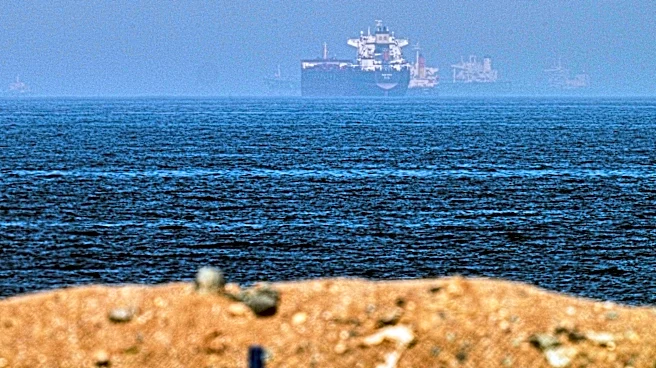
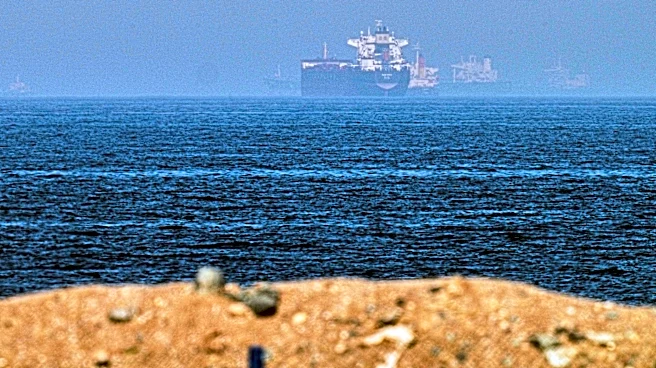
Oman and Iran have reached a temporary agreement to reopen the Strait of Hormuz, a crucial oil export route. The deal allows commercial vessels to enter the Persian Gulf through an Iranian-controlled route and exit
through a route controlled by Oman. The agreement aims to establish new shipping routes and potentially resume nuclear negotiations between Washington and Tehran. The U.S. stance on the deal remains unclear, with officials emphasizing the need for unobstructed passage without tolls.
Why It's Important?
The reopening of the Strait of Hormuz is significant for global oil markets, as it is a vital transit route for crude oil exports. The agreement could ease tensions between the U.S. and Iran, potentially leading to renewed diplomatic efforts and nuclear negotiations. However, the U.S. demands for toll-free passage highlight ongoing geopolitical challenges. The deal's impact on oil prices and regional stability will be closely monitored by international stakeholders.
What's Next?
The official announcement of the agreement is expected soon, involving the United Nations International Maritime Organization and the U.S. The success of the deal depends on the final details and U.S. support. Continued negotiations may lead to a ceasefire and resumption of nuclear talks. The agreement's implementation will be watched closely by Gulf Cooperation Council members and global oil markets.