



What's Happening?
OPEC's oil production decreased in December, primarily due to reduced output from Iran and Venezuela. According to a Reuters survey, the Organization of the Petroleum Exporting Countries pumped 28.40 million barrels per day, a reduction of 100,000 barrels per day from November.
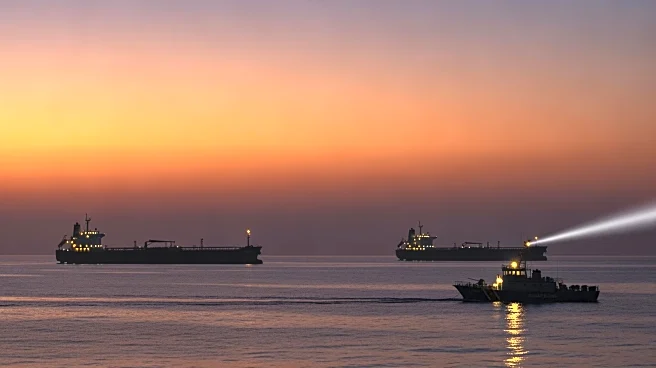
The decline in Iranian supply is attributed to U.S. sanctions aimed at curbing Iran's oil exports over its nuclear activities. Venezuelan output also fell by 70,000 barrels per day amid a U.S. blockade intended to limit oil shipments. Despite an OPEC+ agreement to increase production, many members are nearing capacity limits, and some are required to make additional cuts to compensate for previous overproduction.
Why It's Important?
The reduction in oil output from Iran and Venezuela has significant implications for global oil markets and geopolitical dynamics. U.S. sanctions on Iran and the blockade on Venezuela are part of broader strategies to exert pressure on these nations, impacting their economies and oil-dependent revenues. The decreased supply from these countries contributes to tighter global oil markets, potentially leading to higher oil prices. This situation affects not only the countries involved but also global consumers and industries reliant on stable oil supplies. The actions of the U.S. in this context may also influence diplomatic relations with other major oil-importing countries, such as China.
What's Next?
The ongoing U.S. sanctions and blockades are likely to continue affecting Iranian and Venezuelan oil production. OPEC+ members may need to reassess their production strategies to address potential supply shortages and market stability. Additionally, geopolitical tensions may escalate as countries like China, which rely on Venezuelan oil, seek alternative sources or engage in diplomatic negotiations to secure their energy needs. The situation may also prompt discussions within OPEC+ regarding production quotas and the balance between supply and demand.