
What's Happening?
Pennsylvania officials have reported two measles-related deaths, the first in the U.S. this year and the first in Pennsylvania in over three decades. These deaths have become entangled in political controversy,
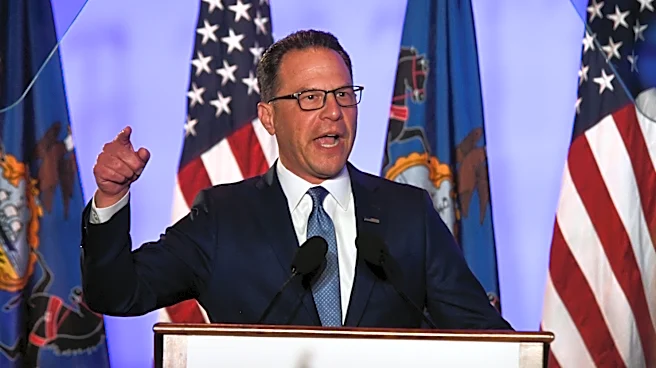
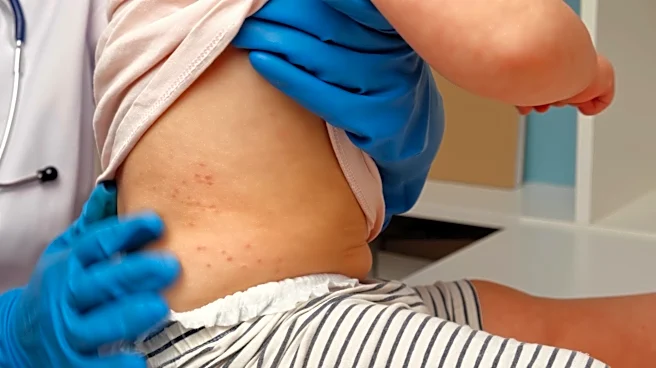
with the country experiencing a record-setting number of measles cases for the second consecutive year. The state has recorded 424 cases this year, including 94 new cases in the past week, with 73 hospitalizations. The epicenter of the outbreak is Lancaster County, where the two deaths occurred. Health Secretary Robert F. Kennedy Jr. publicly questioned the attribution of the deaths to measles, citing his long-standing skepticism about vaccines. Pennsylvania's Democratic Governor, Josh Shapiro, accused Kennedy of spreading misinformation. The Lancaster County Coroner's Office further complicated the narrative by stating that while a newborn who died tested positive for measles, the primary cause of death was a laceration of the spleen. This has fueled anti-vaccine sentiments on social media, drawing parallels to debates during the COVID-19 pandemic regarding cause of death attribution.
Why It's Important?
This situation highlights a critical public health challenge in the U.S., as measles, a highly contagious disease, is experiencing a resurgence due to declining vaccination rates. The political bickering and questioning of official health reports undermine public trust in health authorities and can exacerbate the spread of preventable diseases. The controversy surrounding the cause of death, particularly for the newborn, creates confusion and provides ammunition for anti-vaccine movements, making it harder for public health campaigns to be effective. The infectious disease specialist Dr. Amesh Adalja noted that such questioning is a common tactic of the anti-vaccine movement and distracts from the urgent need to control the outbreak. With kindergarten vaccination rates falling below the 95% threshold necessary for herd immunity in Pennsylvania and nationwide, the risk of widespread outbreaks and associated fatalities increases significantly. This scenario underscores the vulnerability of communities when public health measures are politicized.
What's Next?
The Centers for Disease Control and Prevention (CDC) is expected to provide more information regarding the measles-related deaths in Pennsylvania, which could clarify the role of measles in the reported fatalities. However, the new CDC Director, Erica Schwartz, has yet to publicly address the ongoing measles outbreaks. State and local health officials will likely continue their efforts to control the spread of the virus through public health messaging and vaccination campaigns, despite the political headwinds. The debate over vaccine safety and the attribution of deaths is anticipated to persist, potentially influencing public perception and vaccination uptake. With schools opening, the risk of further transmission among unvaccinated children is high. Other states, including Florida, Texas, and Utah, are also grappling with significant outbreaks, suggesting a broader national challenge that requires a coordinated and depoliticized public health response to prevent more severe consequences.
Beyond the Headlines
The politicization of public health issues, as seen in the Pennsylvania measles outbreak, reveals deeper societal challenges related to trust in institutions, the spread of misinformation, and the erosion of scientific consensus. This trend, reminiscent of the COVID-19 pandemic, indicates a persistent vulnerability to health crises when public discourse is dominated by partisan narratives rather than evidence-based information. The cultural understanding of diseases and vaccines is being reshaped by social media and political figures, making it increasingly difficult for public health officials to communicate risks effectively. The long-term implications include a potential decline in overall vaccination rates, leading to the re-emergence of other preventable diseases and increased strain on healthcare systems. This situation also raises ethical questions about the responsibility of public figures to provide accurate health information and the impact of their statements on public health outcomes, particularly for vulnerable populations like newborns.