






What's Happening?
The United Nations Food and Agriculture Organization (FAO) has issued a warning that the ongoing conflict in the Middle East is driving up energy and agriculture costs, potentially leading to a rise in global food prices. The FAO Food Price Index, which
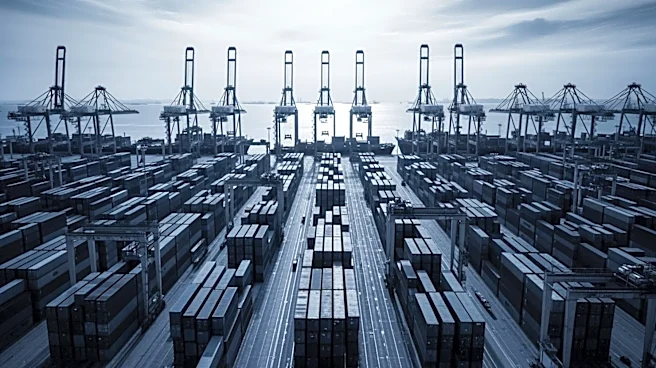
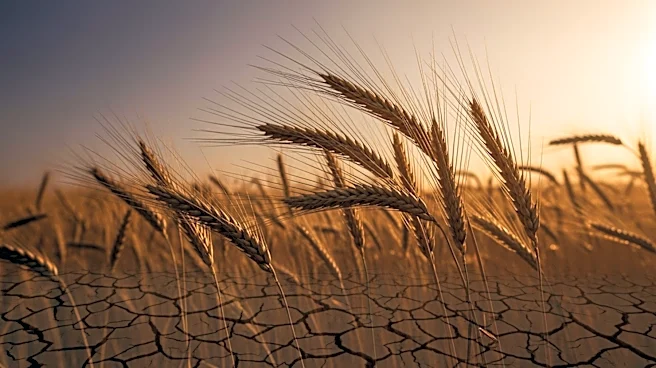
tracks changes in international food commodity prices, showed an increase in March due to higher energy costs linked to the conflict. The Middle East serves as a key transit route for energy and fertilizer raw materials, and disruptions in supply or increased transport expenses could further elevate agricultural production costs. The FAO's chief economist, Maximo Torero, highlighted the impact of rising input costs on farmers, who may alter planting patterns or reduce spending, potentially affecting food markets in the coming quarters.
Why It's Important?
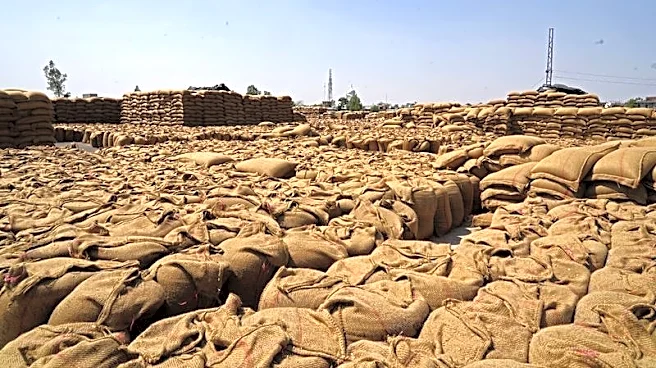
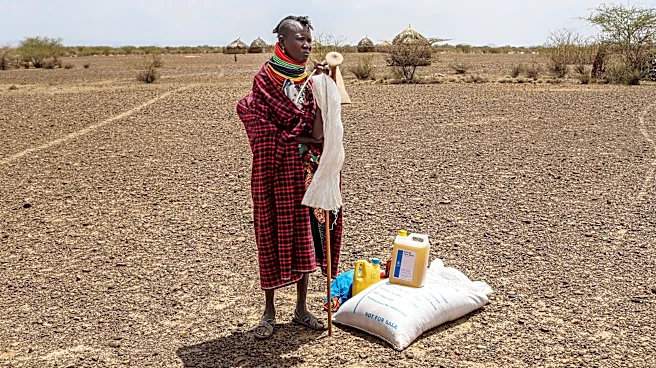
The escalation of agriculture costs due to the Middle East conflict poses a significant threat to global food security, particularly for import-dependent nations. These countries, often with vulnerable populations, could face higher food bills and increased food insecurity as prices rise. The situation underscores the interconnectedness of global markets and the potential ripple effects of regional conflicts on food supply chains. Persistently high energy costs could maintain upward pressure on food prices, affecting consumers worldwide and straining economies already dealing with inflationary pressures.
What's Next?
The FAO emphasizes that the duration of the Middle East conflict will be a critical factor in determining the extent of its impact on global food prices. Prolonged disruptions could exacerbate agricultural production costs and lead to further price increases. Import-dependent countries may need to explore alternative supply sources or implement measures to mitigate the impact on vulnerable populations. International organizations and governments may need to coordinate efforts to address the challenges posed by rising food prices and ensure food security for affected regions.
Beyond the Headlines
The situation highlights the broader implications of geopolitical conflicts on global food systems and the importance of resilient supply chains. It also raises questions about the sustainability of current agricultural practices and the need for innovation in food production to withstand external shocks. The potential for increased food insecurity in import-dependent nations underscores the ethical responsibility of the international community to support vulnerable populations and promote equitable access to food resources.