






What's Happening?
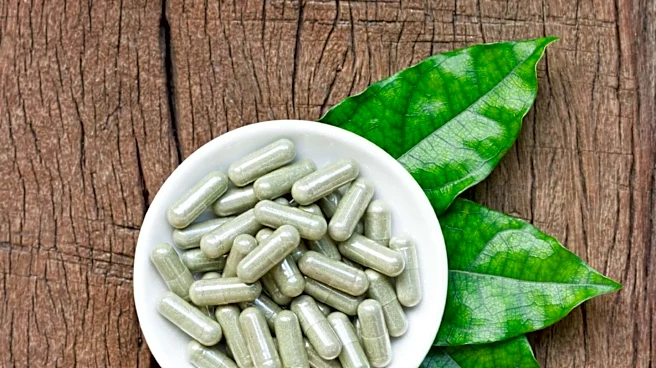
New research indicates a significant surge in probiotic supplement use across the United States, particularly among adults and young people, while the consumption of microbiome-supportive foods has remained largely unchanged. A study published in Clinical
Gastroenterology and Hepatology found that probiotic supplement use increased by 287% among adults and a striking 786% among individuals under 20 years old between 2009 and 2023. Despite this rise in supplement intake, dietary fiber consumption did not meaningfully change, and the average consumption of high-microbial foods saw only a slight increase. Dr. Kira L. Newman, clinical assistant professor of internal medicine at the University of Michigan Medical School and lead author of the study, noted that while probiotic use is increasing, people are not altering their diets, even though many are concerned about their microbiome. The study utilized data from the National Health and Nutrition Examination Survey.
Why It's Important?
This trend highlights a critical disconnect in public health behaviors regarding gut microbiome health in the U.S. The surge in probiotic supplement use, juxtaposed with stagnant consumption of fiber and high-microbial foods, suggests that many Americans may be seeking quick-fix solutions rather than adopting comprehensive dietary changes. This has significant implications for public health, as whole foods rich in fiber, fruits, vegetables, legumes, and whole grains offer a broader spectrum of beneficial vitamins, minerals, and plant-derived compounds essential for a diverse gut microbiome, which supplements alone cannot replicate. For the healthcare industry, this indicates a growing market for supplements but also a missed opportunity for promoting holistic dietary interventions. Economically, the supplement industry benefits, but the long-term health benefits for the population might be suboptimal if dietary habits are not addressed. This situation underscores the need for more effective public health campaigns to educate individuals on the importance of diet in fostering microbiome health, rather than relying solely on supplements.
What's Next?
The findings suggest a clear need for enhanced public health campaigns in the U.S. to emphasize the importance of dietary changes for microbiome health. These campaigns should focus on educating the public about the benefits of consuming fiber-rich foods, fruits, vegetables, and fermented products, rather than solely relying on probiotic supplements. Researchers will likely continue to investigate the efficacy of probiotic supplements in the context of varying dietary habits and explore whether supplements are being used as a substitute for, rather than a complement to, a healthy diet. Policymakers may consider initiatives to promote healthier eating habits, potentially through educational programs in schools and communities, or by incentivizing the availability and affordability of microbiome-supportive foods. The supplement industry might face increased scrutiny regarding the claims made about their products, especially if consumers are using them as a replacement for a balanced diet. Future research could also delve into the specific reasons behind the preference for supplements over dietary changes, such as convenience, perceived effectiveness, or lack of nutritional knowledge.
Beyond the Headlines
This trend reveals a deeper societal reliance on quick solutions and a potential misunderstanding of complex biological processes. The ethical implication lies in ensuring that consumers are well-informed about the limitations of supplements and the holistic benefits of a diverse diet. There's a risk that individuals might perceive supplements as a complete solution, neglecting the foundational role of whole foods in maintaining health. Culturally, this reflects a broader pattern of seeking convenience in health management, often influenced by marketing and readily available products. The long-term shift could be towards a more integrated approach to health education, where the interconnectedness of diet, gut health, and overall well-being is emphasized from an early age. This could also spark a re-evaluation of dietary guidelines and public health messaging to better address the nuances of microbiome health. The legal landscape might evolve to require clearer labeling and more stringent substantiation of health claims for probiotic supplements, ensuring that consumers are not misled into believing supplements can fully compensate for poor dietary choices.