








What's Happening?
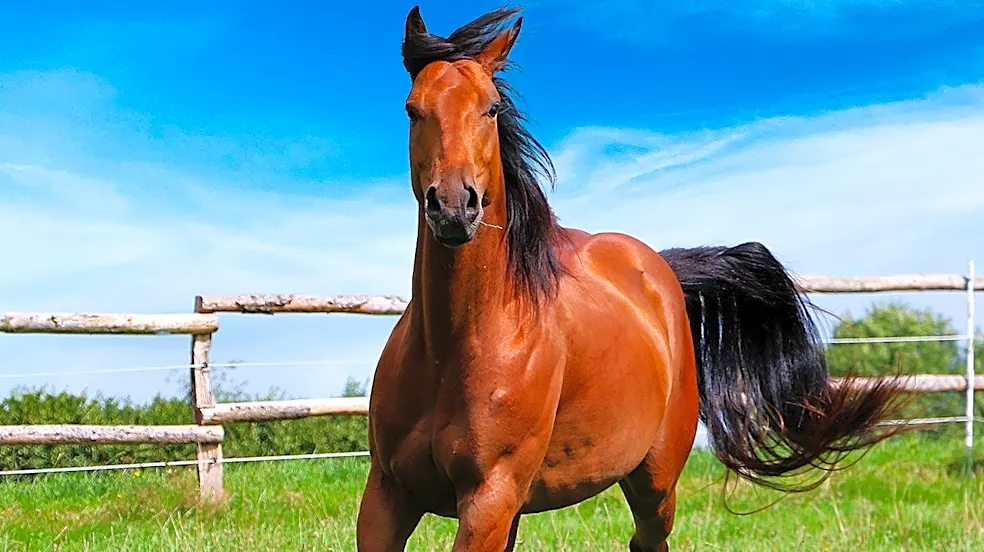
Quarter Horses, a popular breed in the U.S. known for their athletic ability and temperament, face a higher risk of certain inherited genetic diseases due to generations of selective breeding. This practice, aimed at enhancing desirable traits, has inadvertently
reduced genetic diversity and concentrated specific genetic mutations within the breed. Common genetic disorders include Polysaccharide Storage Myopathy (PSSM), Hyperkalemic Periodic Paralysis (HYPP), Hereditary Equine Regional Dermal Asthenia (HERDA), Glycogen Branching Enzyme Deficiency (GBED), Myosin Heavy Chain Myopathy (MYHM), and Malignant Hyperthermia (MH). These conditions can lead to muscle dysfunction, skin fragility, neurological issues, and even fatal outcomes. The American Quarter Horse Association (AQHA) now requires DNA typing and genetic health panel results for breeding stallions, and DNA typing for mares, to help manage and reduce the prevalence of these disorders.
Why It's Important?
The increased prevalence of genetic diseases in Quarter Horses due to selective breeding has significant implications for the U.S. equine industry, particularly for breeders, owners, and veterinarians. These conditions can cause severe suffering in affected animals, lead to substantial financial burdens for owners, and impact the breed's overall health and reputation. Genetic testing, as mandated by organizations like the AQHA, is crucial for responsible breeding practices. By identifying carriers of recessive mutations and horses with dominant disease genes, breeders can make informed decisions to avoid mating pairs that would produce affected offspring. This proactive approach helps to improve the welfare of Quarter Horses, maintain the breed's genetic health, and ensure the sustainability of the industry by reducing the transmission of debilitating inherited disorders.
What's Next?
The AQHA's requirements for genetic testing will continue to drive responsible breeding practices within the Quarter Horse community. Breeders will increasingly rely on genetic test results to select appropriate mating pairs, aiming to reduce the incidence of inherited diseases. Research will likely continue to identify new genetic markers for other conditions and refine existing tests. Educational initiatives will be vital to ensure that breeders and owners understand the inheritance patterns of these diseases and the implications of genetic test results. The long-term goal is to gradually decrease the frequency of disease-causing mutations in the Quarter Horse gene pool, leading to a healthier and more robust population. This will also involve ongoing monitoring and adaptation of breeding guidelines as new scientific information becomes available.
Beyond the Headlines
The situation with Quarter Horse genetic diseases highlights a broader ethical dilemma inherent in selective breeding across many animal species: the trade-off between desirable traits and genetic health. While breeders aim to enhance specific characteristics, the reduction in genetic diversity can inadvertently lead to the concentration of harmful mutations. This raises questions about the responsibility of breeders and breed associations to prioritize animal welfare alongside aesthetic or performance goals. The implementation of mandatory genetic testing by the AQHA represents a significant step towards addressing these ethical concerns and promoting more sustainable breeding practices. This case serves as a powerful example for other animal breeding communities in the U.S. and globally, demonstrating how scientific tools can be leveraged to mitigate the unintended consequences of human intervention in animal genetics.