





What's Happening?
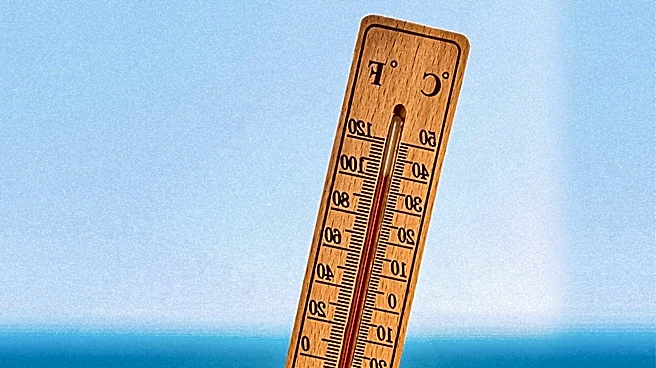
Recent analysis challenges the long-held belief that the 1930s were the hottest period in U.S. history. Using adjusted and area-weighted data, researchers found that recent years have been as extreme as the 1930s. The original data, often cited by climate
change skeptics, contained biases due to unadjusted station records. The 1930s heat was largely regional, exacerbated by poor agricultural practices leading to the Dust Bowl. In contrast, today's heatwaves are a global phenomenon, driven by climate change.
Why It's Important?
This reevaluation of historical climate data is crucial in understanding the true nature of climate change. By correcting biases in historical records, scientists can provide a more accurate picture of temperature trends. This helps counter misinformation and emphasizes the global nature of current climate challenges. The findings highlight the importance of using reliable data to inform policy and public understanding of climate issues.
Beyond the Headlines
The study underscores the role of human activity in historical climate events, such as the Dust Bowl, and draws parallels to current climate challenges. It highlights the need for sustainable agricultural practices and the importance of addressing human-induced climate change. The research also serves as a reminder of the complexities involved in climate science and the necessity of ongoing data refinement.