




What's Happening?
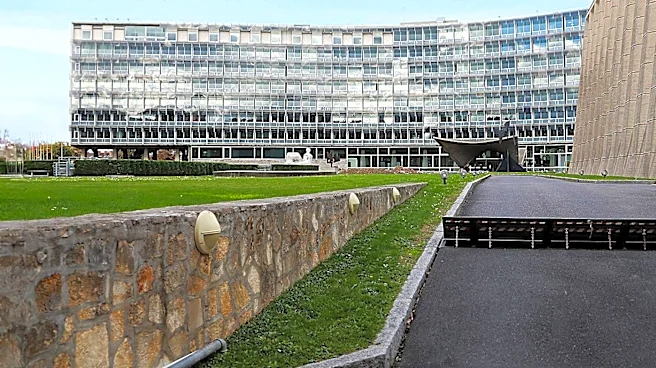
The United Nations Educational, Scientific and Cultural Organization (UNESCO) and Eni México have collaborated to introduce an educational initiative in primary schools along the coast of Tabasco, Mexico. This program aims to enhance the capabilities
of both children and teachers in critical areas such as climate change adaptation, disaster risk reduction, and coastal ecosystem conservation. The initiative, piloted in 13 primary schools in Andrés Sánchez Magallanes, involved over 700 students and local education authorities and teachers. From May 2025 to September 2026, participants engaged in learning, observation, and research activities under UNESCO's technical guidance. This collaborative effort has led to the development of a guide for elementary schools, offering teaching and project proposals that can be tailored to address specific local environmental challenges. The goal is to help students and teachers better understand their environment, connect academic content with real-world situations, and strengthen their preparedness for climate change impacts and emergencies.
Why It's Important?
This educational program is significant as it directly addresses the growing vulnerabilities of coastal communities to climate change and natural disasters. By empowering children and teachers with knowledge and practical skills in climate adaptation and disaster risk reduction, the initiative fosters a more resilient generation. The development of a customizable guide for elementary schools provides a scalable model that can be adapted to other coastal regions facing similar environmental threats, potentially creating a broader impact on national resilience strategies. Furthermore, the collaboration between an international organization like UNESCO and a private entity like Eni México highlights a multi-sectoral approach to tackling complex environmental challenges, demonstrating how partnerships can drive sustainable development goals. The program's focus on integrating environmental education with everyday learning helps cultivate a deeper understanding and appreciation for local ecosystems, promoting long-term conservation efforts and community engagement in environmental stewardship.
What's Next?
The educational guide developed through this pilot program is designed to be adaptable, suggesting that it could be implemented in other coastal areas across Mexico. This scalability presents an opportunity for broader dissemination and impact, potentially reaching more schools and communities vulnerable to climate change. Future steps may involve evaluating the long-term effectiveness of the program in the pilot schools, gathering feedback from teachers and students, and refining the educational materials. UNESCO and Eni México might also explore expanding their partnership to other regions or developing similar initiatives focused on different environmental challenges. Additionally, the success of this program could encourage other organizations and government bodies to invest in similar educational interventions, fostering a more comprehensive national strategy for climate resilience education. The ongoing engagement of local education authorities will be crucial for the sustained integration of these topics into the curriculum.
Beyond the Headlines
Beyond the immediate benefits of enhanced climate resilience, this initiative touches upon deeper implications for educational reform and community empowerment. By connecting school curricula to local environmental realities, the program fosters a sense of place and civic responsibility among students, encouraging them to become active participants in protecting their environment. It also highlights the evolving role of education beyond traditional academics, emphasizing practical skills and critical thinking necessary for navigating global challenges. Ethically, the program underscores the responsibility of both international organizations and corporations to contribute to sustainable development and support vulnerable communities. Legally, such initiatives can inform policy discussions around integrating climate education into national curricula and allocating resources for environmental literacy. Culturally, it promotes a deeper connection between communities and their natural surroundings, potentially revitalizing traditional ecological knowledge and fostering a more sustainable way of life.