







What's Happening?
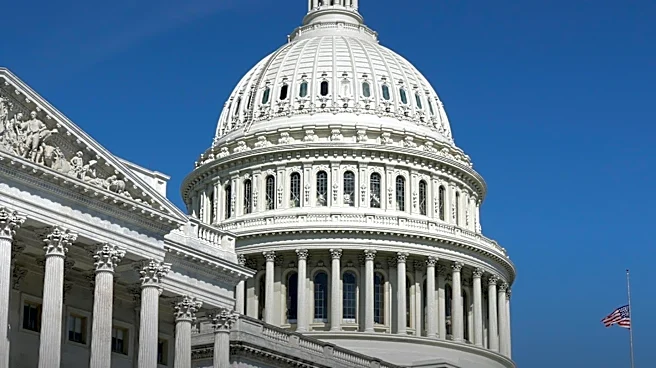
Representative Bill Huizenga, R-Mich., who chairs the House Foreign Affairs Subcommittee on South and Central Asia, is set to lead a hearing titled 'Trojan Horses: Covert Foreign Malign Influence Operations in America.' This hearing will investigate how
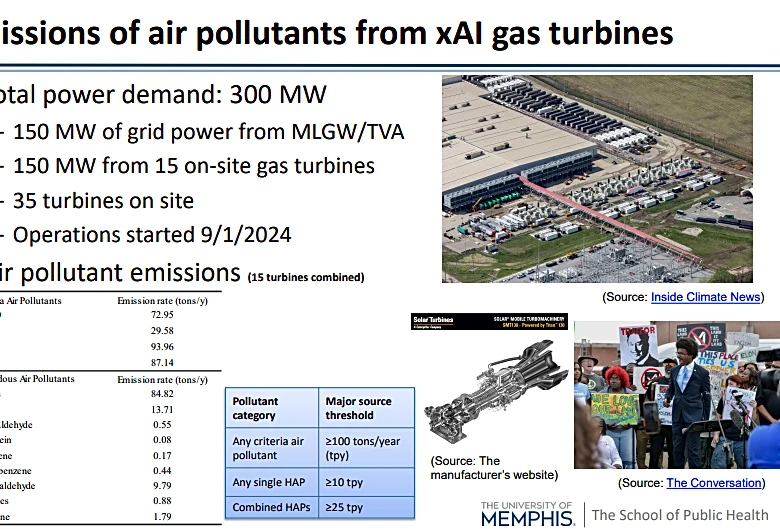
foreign adversaries, including China, Cuba, and Iran, utilize non-profits, activist networks, and other organizations to influence U.S. public opinion and policy. Matthew Johnson, a China expert and senior fellow at the Jamestown Foundation, is scheduled to testify, highlighting Beijing's strategy of working through American institutions to make its messages appear domestically generated rather than foreign propaganda. Johnson noted that China's current priorities include slowing U.S. advancements in artificial intelligence and data-center infrastructure, viewing these as central to strategic competition. The hearing is part of ongoing congressional scrutiny into funding networks, such as those linked to Shanghai-based Marxist tech tycoon Neville Roy Singham, whose non-profits have been subject to investigations for allegedly directing funds to pro-China, pro-communist organizations.
Why It's Important?
This congressional hearing is crucial for U.S. national security and the integrity of American public discourse. By exposing covert foreign influence operations, particularly those from adversarial nations like China, the U.S. aims to protect its strategic interests and democratic processes. The strategy of foreign powers to influence American public opinion through domestic organizations, rather than direct propaganda, poses a significant challenge as it blurs the lines between genuine grassroots movements and foreign-backed agendas. This can lead to a misinformed public and policies that inadvertently serve foreign interests over American ones. The focus on entities like CodePink, an anti-war activist group accused of promoting narratives aligned with the Chinese Communist Party, underscores the potential for foreign influence to penetrate various sectors of American society, from activism to academia. Understanding these mechanisms is vital for policymakers to develop effective countermeasures and ensure transparency in political and social movements.
What's Next?
The hearing is expected to shed light on the specific tactics and networks employed by foreign adversaries to influence American public opinion and policymaking. Following the testimonies, lawmakers may consider new legislative measures or enhanced enforcement actions to counter these malign influence operations. This could include stricter regulations on foreign agent registration, increased transparency requirements for non-profit funding, or expanded intelligence gathering efforts. The ongoing investigations into figures like Neville Roy Singham and the organizations he funds suggest that further scrutiny and potential legal actions could follow. The goal, as stated by Representative Huizenga, is to 'raise the curtain to expose these operations and stop them from undermining our national security, capitalism and the American Dream.' The outcomes of this hearing could therefore shape future U.S. foreign policy, national security strategies, and domestic regulations concerning foreign engagement.
Beyond the Headlines
The implications of these foreign influence operations extend beyond immediate national security concerns, touching upon fundamental aspects of American democracy and societal cohesion. The 'Trojan horse' strategy, where foreign messages are disseminated through seemingly domestic channels, can erode public trust in institutions and foster internal divisions. When citizens are unaware that the debates they engage in are being steered by external actors, it undermines the authenticity of public discourse and the ability of a democratic society to make informed decisions. This phenomenon also raises ethical questions about the responsibility of organizations and individuals to disclose their funding sources and allegiances. The long-term impact could be a more polarized society, less capable of discerning truth from foreign-backed narratives, ultimately weakening the nation's resilience against external manipulation. Addressing this requires not only legislative action but also a heightened public awareness and media literacy to critically evaluate information sources.