


What's Happening?
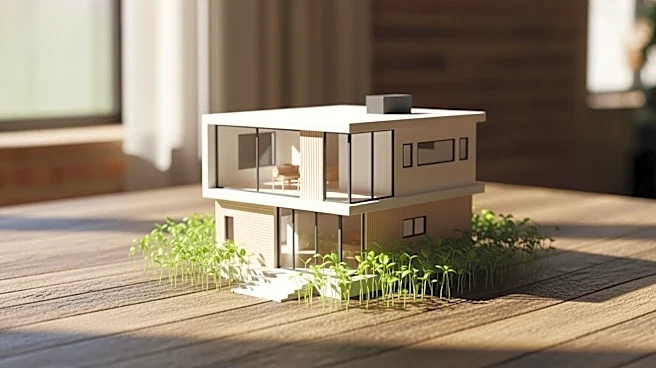
In the wake of the 2025 Eaton Fire, families in Altadena, California, including Jason and Colleen Warnesky, are opting to rebuild their homes using prefabricated structures. This decision is influenced by the increasing frequency of climate-related disasters
such as wildfires, hurricanes, and floods. Prefabricated homes, which are designed to withstand extreme weather conditions, offer a safer and often more affordable alternative to traditional stick-built homes. The Warneskys, who lost their home in the fire, are part of a local initiative by city-LAB UCLA that showcases prefab housing options. These homes are constructed with fire-resistant materials and are designed to endure severe weather, providing peace of mind to residents in disaster-prone areas.
Why It's Important?
The shift towards prefabricated homes represents a significant change in the housing industry, driven by the need for resilience against climate change. As traditional building methods become less viable in areas frequently affected by natural disasters, prefab homes offer a practical solution. This trend not only impacts the construction industry but also affects insurance and real estate markets, as these homes are often more cost-effective and quicker to build. The adoption of prefab homes could lead to broader acceptance and innovation in housing design, potentially setting new standards for safety and sustainability in construction.
What's Next?
As more families choose prefabricated homes, manufacturers are likely to expand their offerings to meet diverse aesthetic and functional needs. Companies like Bevy House and Honomobo are already customizing designs to cater to individual preferences, moving beyond the traditional boxy styles. This customization could attract more homeowners, further driving the market for prefab homes. Additionally, as climate risks continue to escalate, regulatory bodies may implement new building codes that favor resilient construction methods, potentially making prefab homes a standard choice in vulnerable regions.
Beyond the Headlines
The rise of prefabricated homes also highlights a cultural shift towards sustainable living and disaster preparedness. As communities rebuild, there is an opportunity to incorporate eco-friendly materials and energy-efficient designs, reducing the environmental impact of new constructions. This movement could inspire further innovation in the housing sector, encouraging architects and builders to explore new materials and technologies. Moreover, the increased visibility of prefab homes may challenge traditional perceptions of manufactured housing, promoting acceptance and integration into mainstream residential areas.