





What's Happening?
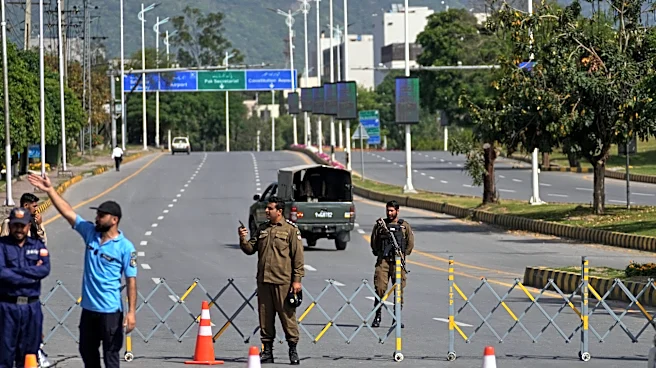
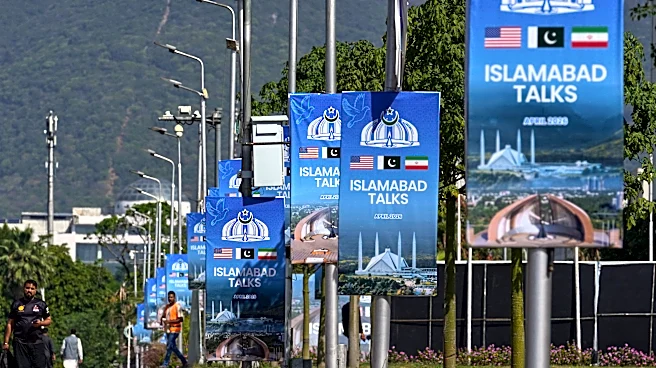
US Ambassador to Israel Mike Huckabee has been called back to Washington to engage in discussions regarding the situation with Iran. This development comes as Iran has decided not to attend the second round of talks in Pakistan, and US Vice President
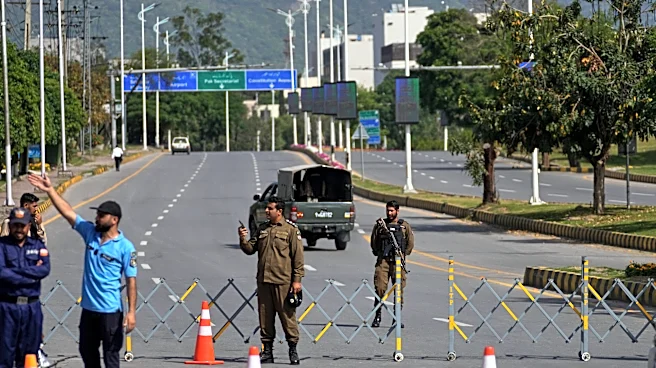
JD Vance's trip to Pakistan for the talks has been canceled. President Trump announced an extension of the US-Iran ceasefire until Iran submits a 'unified proposal' for discussion. The ceasefire extension was requested by Pakistani officials due to internal fractures within the Iranian government. Despite the extension, tensions remain high, with Iran's military prepared to respond to any perceived threats. Iranian officials have criticized the ceasefire extension as a tactic to delay and potentially prepare for a surprise strike.
Why It's Important?
The recall of the US Ambassador and the extension of the ceasefire highlight the ongoing complexities in US-Iran relations. The situation is significant for US foreign policy, as it involves strategic interests in the Middle East, particularly concerning Iran's nuclear ambitions and regional influence. The decision to extend the ceasefire reflects the US's cautious approach to avoid immediate conflict while seeking a diplomatic resolution. However, the lack of Iranian participation in talks and their readiness for military action indicate potential challenges ahead. The outcome of these discussions could impact regional stability and US-Iran relations.
What's Next?
The next steps involve continued diplomatic efforts to bring Iran back to the negotiating table. The US will likely engage with international partners to address Iran's concerns and seek a peaceful resolution. The situation remains fluid, with potential for either de-escalation or further conflict depending on the diplomatic engagements in Washington. The international community will be monitoring the developments closely, as any escalation could have significant geopolitical consequences.