







What's Happening?
Debt-for-nature swaps are financial arrangements where a portion of a country's debt is forgiven in exchange for commitments to fund conservation efforts. These swaps are particularly appealing in countries with significant biodiversity and high debt burdens.
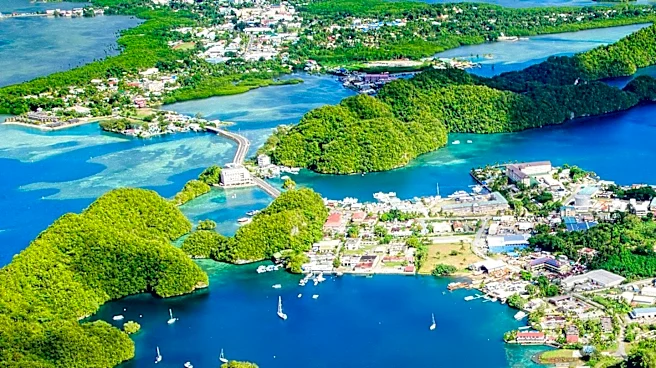
However, the effectiveness of these swaps depends on several factors beyond the initial debt relief. Key considerations include whether the swaps result in genuine fiscal savings, the ability to measure conservation gains over time, and the involvement of local communities in decision-making processes. Recent examples include Belize, Barbados, and Ecuador, where swaps have been used to fund marine conservation efforts. Despite their potential, these swaps face challenges such as ensuring transparency, maintaining long-term conservation funding, and involving local communities meaningfully.
Why It's Important?
Debt-for-nature swaps offer a unique opportunity to address both financial and environmental challenges simultaneously. They can provide much-needed fiscal relief to countries while promoting conservation efforts. However, the success of these swaps is contingent on their ability to deliver long-term conservation benefits and fiscal savings. If successful, they can serve as a model for integrating financial and environmental policies, potentially influencing global conservation strategies. However, if they fail to deliver on their promises, they could undermine trust in similar initiatives and fail to address the underlying issues of debt and environmental degradation.
What's Next?
The future of debt-for-nature swaps will likely involve increased scrutiny and calls for transparency. Stakeholders, including international financial institutions and conservation organizations, may push for more robust frameworks to ensure that these swaps deliver on their conservation promises. This could involve setting clearer benchmarks for success, enhancing local community involvement, and ensuring that financial savings are reinvested into sustainable conservation efforts. Additionally, there may be a push to align these swaps with broader international conservation goals, such as the Sustainable Development Goals.
Beyond the Headlines
Beyond the immediate financial and conservation impacts, debt-for-nature swaps raise important questions about sovereignty and local governance. Ensuring that local communities have a say in how conservation funds are used is crucial for the legitimacy and success of these initiatives. Moreover, the complexity of these financial arrangements can obscure their true costs and benefits, highlighting the need for greater transparency and accountability. As these swaps become more common, they could also influence broader discussions about the role of financial instruments in addressing global environmental challenges.