







What's Happening?
A new clinical trial published in BMJ Open Diabetes Research & Care indicates that adults with type 2 diabetes who followed a low-fat vegan diet for 16 weeks experienced significant health improvements. Participants were allowed to eat as much as they
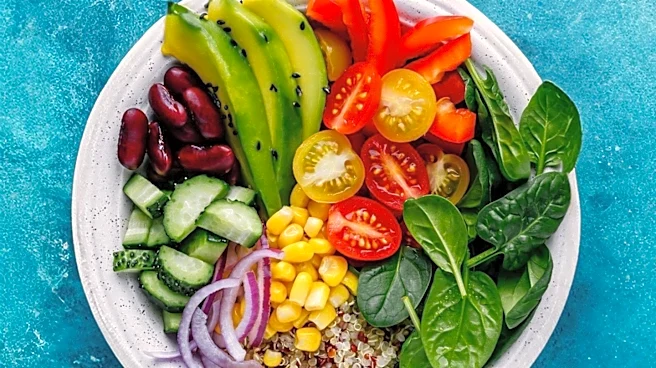
wanted without calorie counting or portion control. The study found that individuals lost an average of 6.0 kg (6.6%) of body weight, primarily due to a reduction in fat mass (-4.2 kg). Visceral (abdominal) fat volume decreased by 290 cm³, and hepatocellular (liver) lipid content, a key factor in insulin resistance, fell by 33%. Additionally, tissue accumulation of advanced glycation end-products (AGEs), which contribute to insulin resistance and beta-cell damage, significantly decreased. The diet also led to improved insulin resistance (HOMA-IR), increased insulin sensitivity (OGIS and PREDIM), and enhanced pancreatic beta-cell function, including glucose-stimulated insulin secretion. HbA1c levels dropped by 1.0 percentage point, and both total and LDL cholesterol significantly decreased. The diet consisted of approximately 75% carbohydrates, 15% protein, and 10% fat.
Why It's Important?
This research is important for the U.S. healthcare system and public health, particularly given the high prevalence of type 2 diabetes. The findings suggest a potentially effective and sustainable dietary intervention that does not require restrictive calorie counting, which can be a barrier to adherence for many patients. The significant reduction in liver fat and improvement in insulin function directly address underlying mechanisms of type 2 diabetes, offering a non-pharmacological approach to disease management. This could lead to reduced reliance on medications, lower healthcare costs, and improved quality of life for millions of Americans. The study's comprehensive measurement of various fat types and AGEs provides a more complete understanding of how diet impacts the disease. If widely adopted, a low-fat vegan diet could become a cornerstone of diabetes treatment, influencing dietary guidelines and public health campaigns.
What's Next?
The findings of this clinical trial could prompt further research into the long-term effects and broader applicability of low-fat vegan diets for managing type 2 diabetes. Healthcare providers and dietitians may begin to more actively recommend plant-based diets as a primary intervention strategy. Public health organizations might incorporate these findings into their dietary guidelines and educational materials, promoting plant-based eating as a preventative and management tool for diabetes. Food manufacturers could also respond by increasing the availability and variety of low-fat vegan options to meet growing demand. Future studies might explore the genetic and lifestyle factors that influence individual responses to this diet, as well as its potential benefits for other metabolic conditions. The emphasis on eating to satiety without calorie restriction could make this approach more appealing and sustainable for patients.
Beyond the Headlines
Beyond its immediate health implications, this study contributes to a broader conversation about the role of diet in chronic disease management and prevention. It challenges conventional notions of weight loss and diabetes control, which often emphasize calorie restriction and portion control, by demonstrating the efficacy of a whole-foods, plant-based approach. The success of a diet that allows for eating to satiety could fundamentally change how dietary advice is delivered, shifting focus from quantitative restrictions to qualitative food choices. This research also highlights the interconnectedness of various metabolic markers, showing how a single dietary change can positively impact multiple physiological systems. Ethically, promoting plant-based diets also aligns with growing concerns about environmental sustainability and animal welfare, adding another layer of significance to these findings. The study reinforces the idea that food can indeed function as medicine, empowering individuals to take a more active role in their health through dietary choices.