





What's Happening?
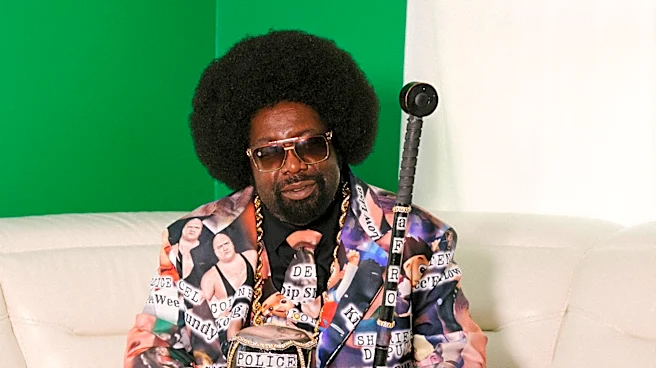
Rapper Joseph 'Afroman' Foreman successfully defended himself in a defamation lawsuit brought by police officers who raided his home. The officers had acted on a tip that Foreman had a 'dungeon' in his basement, a claim proven false as property records
showed no basement existed. Foreman used security footage from the raid to create humorous songs and music videos mocking the officers. A juror from the trial, identified as Missy, described the officers' complaints as 'trivial' and their financial demands as 'excessive.' Despite the officers' claims of reputational damage, the jury sided with Foreman, who argued that the raid itself was wrongful and the source of any subsequent issues.
Why It's Important?
This case highlights the intersection of law enforcement actions and freedom of expression. Afroman's victory underscores the potential for public figures to use creative expression as a form of protest and commentary on perceived injustices. The case also raises questions about the accountability of law enforcement and the extent to which they can claim damages for reputational harm when their actions are publicly criticized. The outcome may influence how similar cases are approached in the future, particularly regarding the balance between defamation claims and First Amendment rights.
What's Next?
The ruling may prompt law enforcement agencies to reconsider the potential public relations fallout from high-profile raids and the subsequent legal actions they might pursue. It could also encourage other artists and public figures to use their platforms to address grievances with authorities. Additionally, the officers involved may seek other legal avenues or appeal the decision, although the current ruling sets a precedent that could deter similar lawsuits.
Beyond the Headlines
The case also touches on the broader cultural implications of how law enforcement is portrayed in media and entertainment. Afroman's use of music to critique police actions reflects a growing trend of artists engaging in social and political commentary. This development may contribute to ongoing discussions about police reform and the role of art in societal change.