






What's Happening?
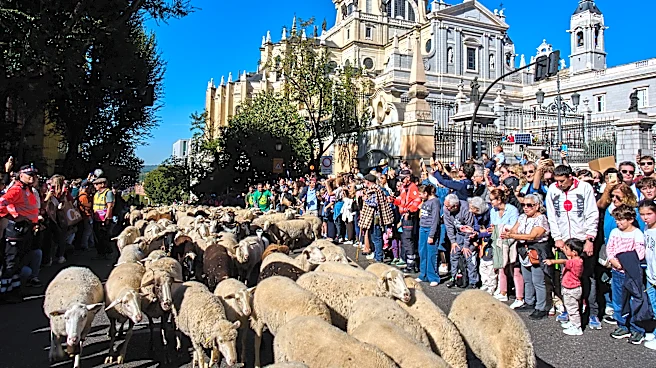
Esther Kuisch Laroche, Director of the UNESCO Regional Office in Santiago, visited Spain to advocate for culture and heritage as key drivers for urban development. In Madrid, she participated in the Second Meeting of Ibero-American Cities, an event that
gathered local authorities, international organizations, institutions, and private-sector representatives to discuss urban challenges. During a panel on 'Culture, heritage and creative industries for urban development,' Kuisch Laroche emphasized that investments in culture, creativity, and heritage generate new economic and social opportunities, strengthen community identity, and enhance the quality of life. She highlighted the importance of consolidating cultural and creative ecosystems to foster employment, innovation, and sustainability, and stressed the strategic role of historic centers as living environments for creation, entrepreneurship, social interaction, and identity. Her engagements also included discussions in Tenerife to deepen collaborations across Ibero-America.
Why It's Important?
This initiative by UNESCO underscores a growing international recognition of culture and heritage not merely as historical artifacts but as dynamic assets for contemporary urban development. For U.S. cities and urban planners, this approach offers a valuable model for integrating cultural strategies into economic and social policy. By demonstrating how cultural investments can create jobs, stimulate local economies, and improve community well-being, UNESCO's efforts in Spain could inspire similar programs in the U.S. It highlights the potential for public-private partnerships in preserving and leveraging cultural resources, moving beyond traditional conservation to active development. This perspective can also influence funding priorities for arts and culture, shifting them from perceived luxuries to essential components of sustainable urban growth and social cohesion.
What's Next?
Looking towards the post-2030 agenda and the forthcoming International Decade of Culture for Sustainable Development, Kuisch Laroche emphasized the need to strengthen evidence production on the economic and social impacts of culture. UNESCO's new 2025 Framework for Cultural Statistics is highlighted as a key tool for guiding evidence-based public policies. This suggests a future focus on quantifiable metrics to demonstrate the value of cultural investments. The discussions in Madrid and Tenerife are expected to foster new avenues for collaboration across Ibero-America, potentially leading to joint projects and knowledge sharing in urban cultural development. U.S. cities and cultural institutions could benefit from observing these developments and exploring partnerships or adopting similar frameworks to assess and enhance their own cultural ecosystems.
Beyond the Headlines
The promotion of culture and heritage as drivers of urban development delves into the less obvious but profound impacts on societal well-being and identity. Beyond economic benefits, investing in these areas can foster a stronger sense of community, preserve unique local characteristics against globalization, and provide platforms for social interaction and creative expression. Ethically, it raises questions about equitable access to cultural resources and the role of development in preserving authenticity versus commercialization. Legally, it might lead to new frameworks for protecting cultural assets while enabling their adaptive reuse. Culturally, it encourages a re-evaluation of what constitutes 'progress' in urban environments, suggesting that a city's vibrancy is as much about its cultural richness as its economic output. This holistic view challenges traditional development paradigms and advocates for a more human-centered approach to urban planning.