







What's Happening?
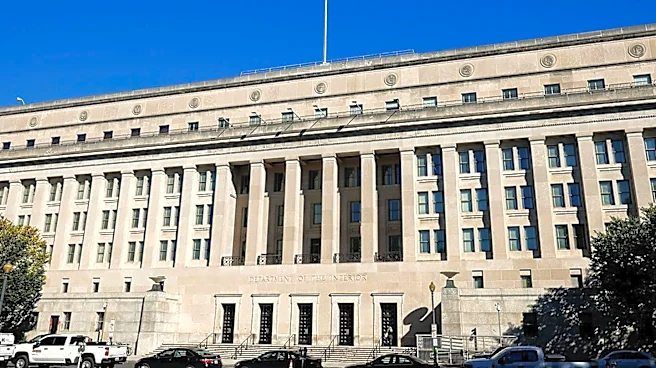
The U.S. Department of the Treasury has successfully implemented a new verification process to prevent federal payments from being issued to deceased individuals. This initiative, part of President Trump's executive order aimed at reducing fraud, waste,
and abuse, has screened over 885 million payments totaling approximately $2.7 trillion. The process identified more than 4,900 payments worth about $99 million intended for deceased payees, which were returned to the originating federal agencies for review. Treasury Secretary Scott Bessent emphasized the importance of this safeguard in ensuring that federal funds reach their intended recipients and highlighted the department's ongoing efforts to modernize the federal payment system.
Why It's Important?
This development is significant as it addresses a longstanding vulnerability in the federal payment system, potentially saving taxpayer dollars and enhancing the integrity of government spending. By preventing improper payments before they are disbursed, the Treasury's initiative could lead to substantial financial savings. The Government Accountability Office estimates that improper payments could reach $500 billion annually, indicating a broader issue of financial mismanagement that this initiative begins to address. The success of this verification process could set a precedent for further measures to combat fraud and waste in federal spending.
What's Next?
The Treasury will continue to implement additional payment verification capabilities as required by the executive order. With permanent access to the Social Security Administration's Full Death Master File, the department plans to expand its efforts to prevent improper payments. The initiative is expected to yield an estimated $330 million in net benefits between 2024 and 2026. As the Treasury continues to refine and enhance its verification processes, it aims to further reduce the incidence of improper payments and strengthen the overall integrity of federal financial management.