





What's Happening?
The United Arab Emirates (UAE) has announced its decision to leave the Organization of the Petroleum Exporting Countries (OPEC) and its extended group, OPEC+, effective May 1. This move is seen as a significant shift in the global oil market dynamics,
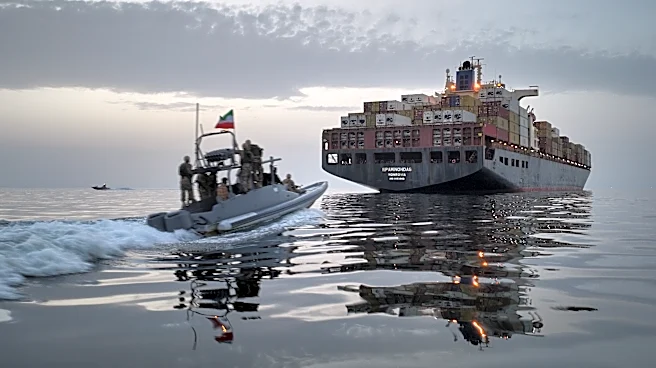
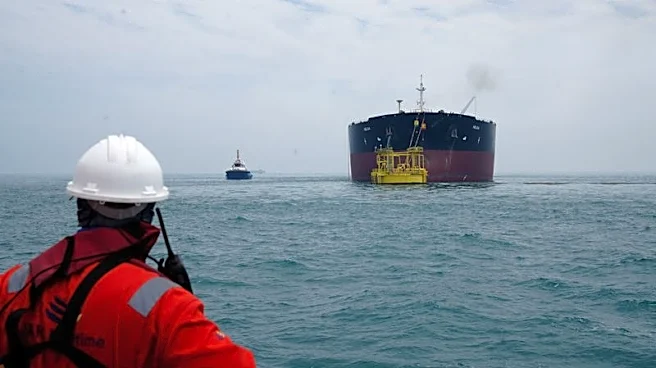
as the UAE has been a key player within the organization. The decision comes amid ongoing disruptions in the Strait of Hormuz, a critical chokepoint for global oil transport, exacerbated by the Iran war. The UAE's Energy Minister, Suhail Al Mazrouei, stated that the decision aligns with the country's long-term strategic and economic vision. The UAE's departure is expected to weaken OPEC's control over oil prices, a group historically led by Saudi Arabia.
Why It's Important?
The UAE's exit from OPEC is a major development in the global oil industry, potentially diminishing the cartel's influence over oil prices. As one of the largest oil producers in OPEC, the UAE's departure could lead to increased volatility in oil markets. This move also highlights growing tensions within the Gulf region, particularly between the UAE and Saudi Arabia, which have had disagreements over oil production quotas. The UAE's decision to leave OPEC may also reflect its desire to diversify its economy and reduce reliance on oil revenues, focusing instead on sectors like artificial intelligence and tourism.
What's Next?
The UAE's departure from OPEC could lead to a realignment of alliances within the global oil market. Saudi Arabia may face challenges in maintaining cohesion among remaining OPEC members, potentially leading to further fragmentation within the group. The UAE's ability to independently manage its oil production could allow it to increase output once the Strait of Hormuz reopens, potentially impacting global oil supply and prices. Additionally, the UAE's strengthened ties with the United States and Israel could influence its future energy and geopolitical strategies.