





What's Happening?
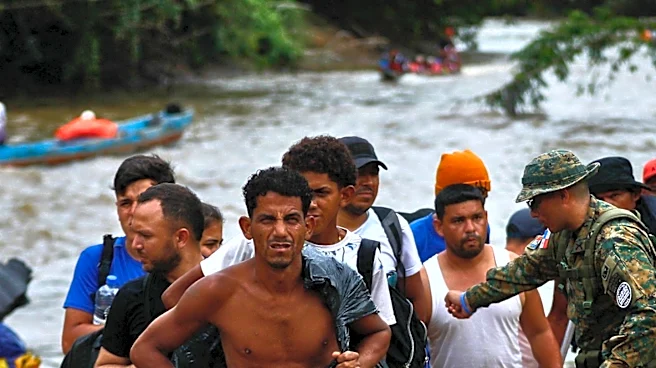
In Ceuta, Spain, forensic teams have been deployed to identify the bodies of 80 migrants who died during a mass crossing from Morocco. The influx overwhelmed local resources, prompting the addition of eight extra staff from the mainland. The identification
process involves taking fingerprints and DNA samples, with only a few bodies identified so far. Spanish police are collaborating with Moroccan authorities, and a local office has been set up for relatives to file missing persons reports. The tragedy highlights the challenges faced by migrants and the strain on local resources.
Why It's Important?
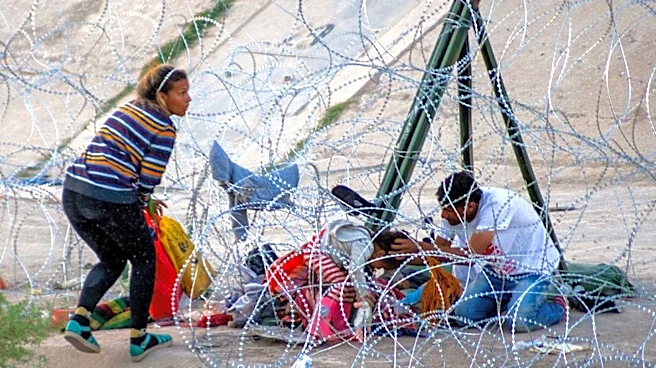
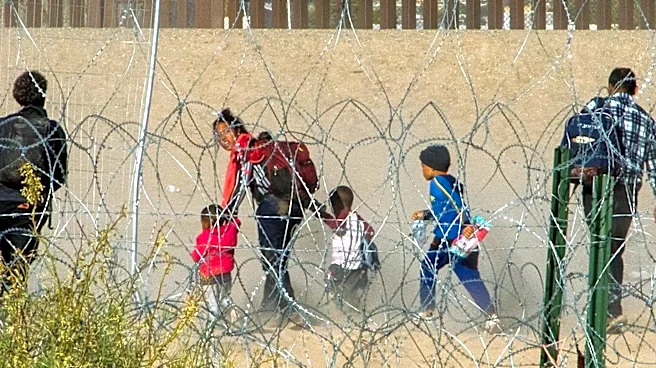
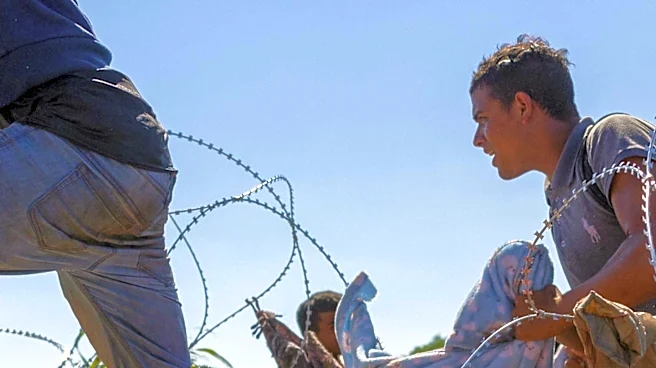
This incident underscores the ongoing humanitarian crisis at the borders of Europe, where migrants risk their lives in search of better opportunities. The tragedy in Ceuta highlights the need for comprehensive policies to address migration and the humanitarian needs of those involved. It also raises questions about the adequacy of current systems to handle such crises and the responsibilities of both origin and destination countries in managing migration flows and ensuring the safety of migrants.
What's Next?
The Spanish government may face pressure to improve its response to migrant crises and enhance cooperation with neighboring countries. There could be calls for increased resources and better protocols to manage such situations. Additionally, the incident might prompt discussions at the European level regarding migration policies and the need for a unified approach to address the root causes of migration and improve the safety and rights of migrants.