





What's Happening?
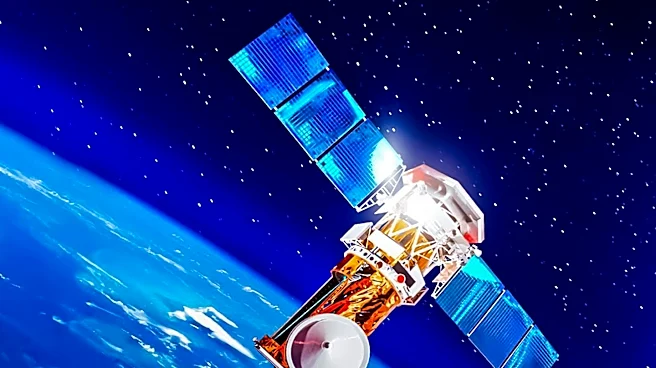
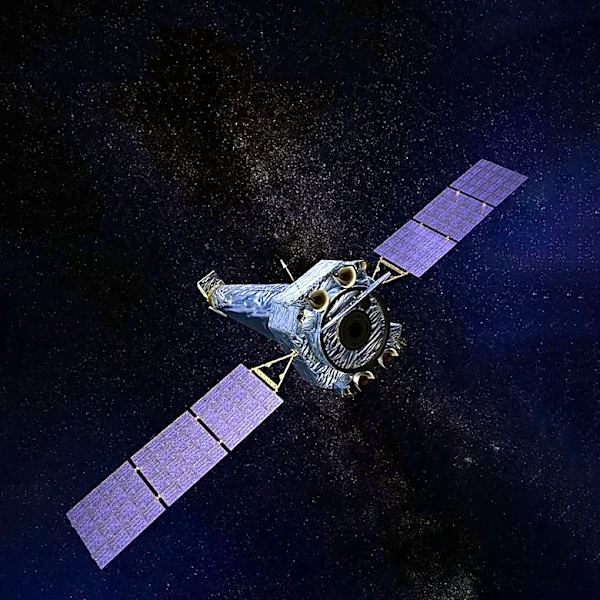
China is increasingly using space diplomacy to expand its influence in the Middle East, focusing on partnerships with key regional players like Egypt, the UAE, and Iran. By offering satellite technology, launch services, and space cooperation, China aims
to strengthen its geopolitical position and counter US influence. The Middle East's strategic importance for energy security and trade routes makes it a focal point for China's foreign policy. China's space initiatives, including the Belt and Road Initiative's Space Information Corridor, are part of a broader strategy to enhance its global standing and foster technological collaboration.
Why It's Important?
China's space diplomacy in the Middle East reflects the shifting dynamics of great-power competition, with implications for global geopolitical alignments. By leveraging space technology, China is positioning itself as a key partner for countries seeking technological advancement and economic development. This strategy challenges US influence in the region and highlights the growing importance of space as a domain for international cooperation and competition. The developments underscore the need for the US to reassess its space policy and engagement strategies to maintain its leadership in space exploration and technology.
What's Next?
As China continues to expand its space diplomacy efforts, the US and other global powers will need to respond strategically to maintain their influence in the Middle East. This may involve enhancing space cooperation with regional partners and addressing technological export controls. The competition for partnerships in space exploration could shape the future rules and norms governing outer space activities. The evolving landscape of space diplomacy will require careful navigation of geopolitical interests and technological advancements to ensure stability and cooperation in the region.