




What's Happening?
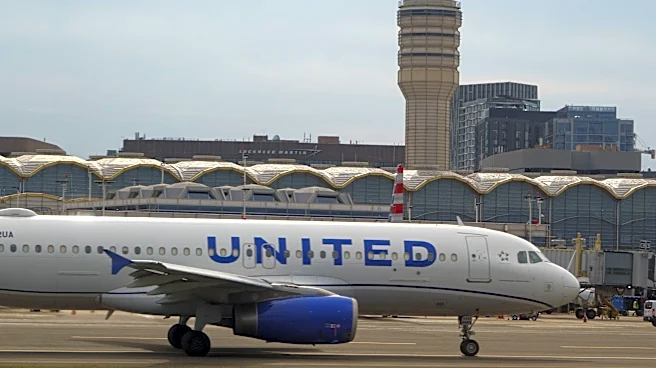
Thousands of travelers across the United States were left scrambling and frustrated after the Federal Aviation Administration (FAA) issued a rare nationwide ground stop on Friday. Although the ground stop itself lasted only about four hours, its ripple
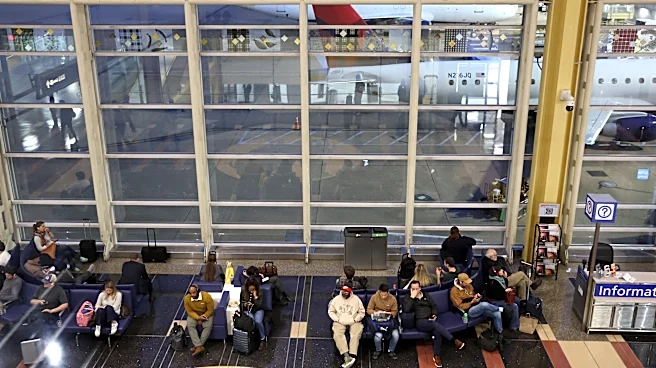
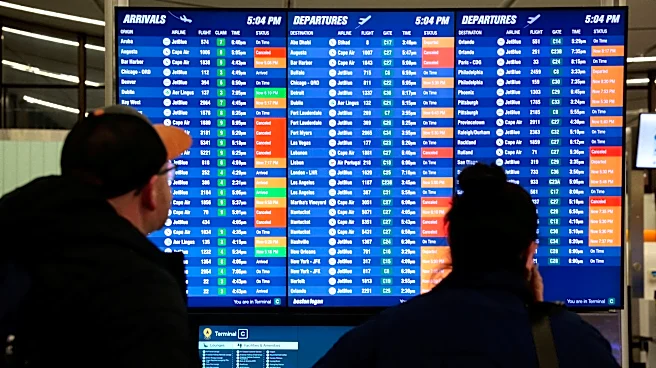
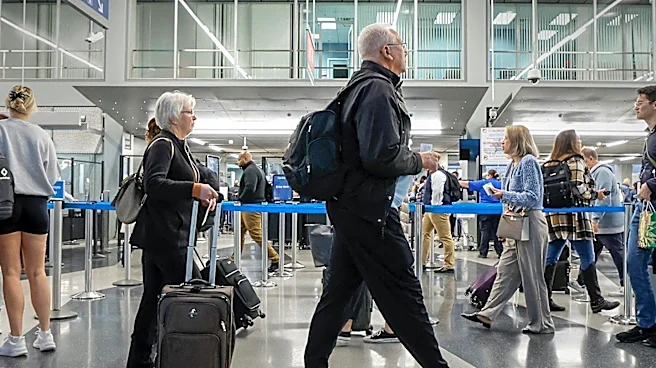
effects are expected to disrupt air travel for several days. Many passengers found themselves stranded at airports, with flights canceled or significantly delayed, forcing them to seek hotel accommodations or alternative transportation. Reports from various airports, including Patrick Leahy Burlington International Airport and Albuquerque International Sunport, described scenes of long lines and emotional travelers. Some passengers recounted being on planes when pilots announced the ground stop, leading to deplaning and uncertainty. This event marks the FAA's first nationwide ground stop since January 2023 and, before that, since the September 11, 2001, terrorist attacks.
Why It's Important?
The widespread traveler reactions underscore the profound personal and economic impact of disruptions to the U.S. air travel system. For individuals, the ground stop meant missed connections, canceled plans, and unexpected expenses, with some travelers expressing emotional distress and comparing the situation to the aftermath of 9/11. For businesses, particularly those reliant on timely travel for meetings or deliveries, the delays translate into lost productivity and potential financial setbacks. The incident highlights the fragility of modern travel logistics and the significant inconvenience that even a relatively short system failure can impose on a highly mobile society. The need for passengers to find last-minute solutions for lodging and transportation also strains local services around airports, demonstrating the broader societal ripple effects of such an event.
What's Next?
While flights have resumed, air travel is not expected to return to normal for a few days, with thousands of additional cancellations and delays anticipated. Airlines are working to accommodate affected passengers, offering rebooking options and refunds, but the sheer volume of disrupted travel means a slow recovery. Travelers are strongly advised to check with their airlines for updated flight information before heading to the airport. The FAA and Department of Transportation are investigating the cause of the telecommunications outage, which was attributed to a contractor's work on system upgrades. This investigation may lead to revised protocols for system maintenance and contingency planning to minimize future disruptions. For many travelers, the immediate next step involves navigating the complexities of rebooking and reaching their destinations, often with significant delays.
Beyond the Headlines
The emotional responses from travelers, with some reportedly 'in tears' and others recalling the anxieties of 9/11, reveal the psychological impact of sudden and widespread travel paralysis. Beyond the logistical inconvenience, such events can trigger a sense of vulnerability and uncertainty, especially when the cause is initially unclear. This incident also highlights the varying degrees of resilience among travelers; while frequent flyers might view it as 'part of the deal,' those with critical appointments or limited resources face much greater hardship. The ground stop serves as a powerful reminder of how deeply integrated air travel is into the fabric of American life, affecting everything from family reunions to critical business operations. It also implicitly raises questions about public communication during such crises, as clear and timely information can help alleviate traveler anxiety and facilitate better decision-making.