
What's Happening?
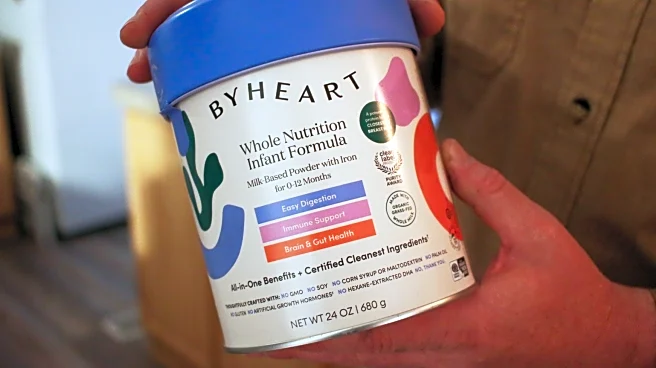
The Health Ministry has issued a recall for Nutrilon AR baby formula, specifically targeting products intended for infants with acid reflux and spitting up. This action follows laboratory tests that revealed
toxin levels exceeding new threshold values set by authorities in Ireland. The recall is a precautionary measure, as no unusual clinical manifestations have been observed in Israel. The affected products include 400-gram and 900-gram packages from batch number 2026.12.01, with an expiration date of December 1, 2026. Parents are advised to discontinue use of these products immediately and switch to alternative formulas. The toxin in question, cereulide, is produced by Bacillus cereus and is resistant to heat and acidic conditions, making it difficult to neutralize through standard preparation methods.
Why It's Important?
This recall is significant as it highlights the global nature of food safety concerns, particularly in products intended for vulnerable populations like infants. The presence of cereulide toxin poses a risk of dehydration and other health issues in babies, emphasizing the need for stringent quality control in the production of baby formulas. The recall also underscores the interconnectedness of global supply chains, as the issue originated from a malfunction in the production of a raw material used by multiple manufacturers worldwide. This incident may prompt regulatory bodies to reassess safety standards and monitoring processes for infant nutrition products, potentially leading to stricter regulations and improved safety protocols.
What's Next?
The Health Ministry is expected to continue monitoring the situation closely, conducting further tests on additional batches and products. Parents are advised to remain vigilant for symptoms of toxin exposure in their infants, such as vomiting and diarrhea, and seek medical attention if necessary. The recall may lead to increased scrutiny of other baby formula products, both domestically and internationally, to ensure they meet safety standards. Manufacturers may also face pressure to enhance their quality control measures to prevent similar incidents in the future.