





What's Happening?
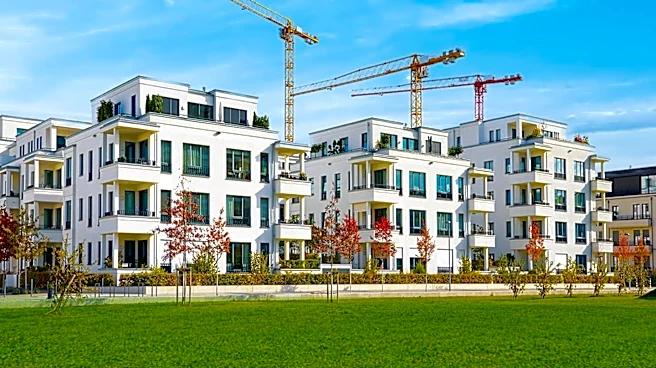
New housing laws in Texas have facilitated the construction of thousands of new apartments, particularly in urban areas, as part of efforts to address the state's housing affordability crisis. Senate Bill 840, a key piece of legislation, allows for the redevelopment
of commercial properties into residential units, leading to the approval of at least 8,400 apartments since its enactment. This law has relaxed local zoning regulations, enabling more housing developments in areas previously restricted. However, the initiative faces significant pushback from suburban communities, where residents and local officials are concerned about increased density and changes to neighborhood character. Despite these challenges, the law has been instrumental in advancing housing projects in major cities like Dallas and Austin, where demand for affordable housing is high.
Why It's Important?
The implementation of these housing laws is crucial for addressing the growing demand for affordable housing in Texas, a state experiencing rapid population growth. By easing zoning restrictions, the laws aim to increase the housing supply, potentially stabilizing or reducing rental prices in high-demand areas. This development is particularly significant for low- and middle-income families who struggle to find affordable housing options. However, the resistance from suburban areas highlights the ongoing tension between state-level housing policies and local control. The outcome of this legislative push could set a precedent for other states grappling with similar housing challenges, influencing national housing policy and urban planning strategies.
What's Next?
As the new housing laws continue to be implemented, further legislative action is anticipated to address ongoing resistance from suburban communities. State lawmakers, including Lt. Gov. Dan Patrick and House Speaker Dustin Burrows, have indicated that housing affordability will remain a legislative priority. Future sessions may focus on refining these laws to balance state objectives with local concerns. Additionally, urban areas are likely to continue leveraging these laws to attract new residents and businesses, potentially leading to economic growth and increased competitiveness with suburban regions. The ongoing dialogue between state and local governments will be critical in shaping the future of housing development in Texas.