




What's Happening?
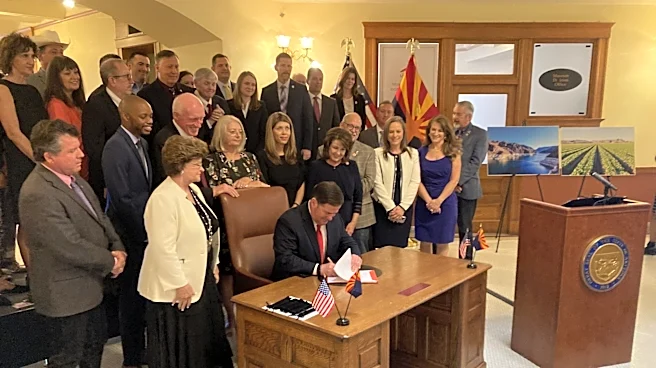
The U.S. Department of the Interior has finalized new rules for managing the Colorado River through 2028, adopting a water-sharing plan developed by Arizona, California, and Nevada. This decision averts a worst-case scenario that could have imposed severe
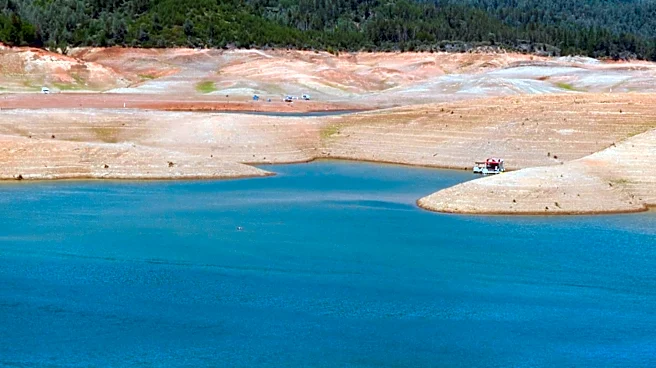
water cuts on Arizona, potentially devastating its economy. Under the new agreement, the Lower Basin states will collectively reduce water use by 1.25 million acre-feet annually for the next two years. Arizona will absorb 760,000 acre-feet of this reduction, California 440,000, and Nevada 50,000. This is a significantly smaller reduction for Arizona than the 77% cut to the Central Arizona Project's water supply that federal officials had previously considered. Additionally, the plan requires Lower Basin states to voluntarily conserve at least 700,000 additional acre-feet over the next two years, contributing to a total conservation effort of over 3.2 million acre-feet in Lake Mead. Upper Basin states—Colorado, New Mexico, Utah, and Wyoming—will not face mandatory cuts but will coordinate operations at three additional reservoirs to protect Glen Canyon Dam.
Why It's Important?
This finalized water deal is critically important for the American West, as 40 million people, millions of acres of farmland, and industries across the region depend on the Colorado River. For Arizona, the agreement represents a significant win, preventing economic devastation that would have resulted from the previously proposed drastic cuts. Arizona, holding the lowest-priority water rights among Lower Basin states, was particularly vulnerable. The deal provides two years of stability, allowing cities like Cave Creek, which relies heavily on Colorado River water, to finalize their backup water plans. However, the agreement also highlights the increasing cost of water, as officials note that all 'cheap, easy water' in Arizona has already been developed, leading to anticipated higher water bills for residents. The long-term implications of this deal underscore the ongoing challenges of water scarcity and the need for sustainable water management strategies in the face of climate change and population growth.
What's Next?
With the new rules finalized, cities and water districts in Arizona, such as Cave Creek, can now solidify their long-term water strategies based on concrete figures. This includes exploring alternatives like tapping into the Bartlett Dam and Salt River Project expansion, pursuing Harquahala Basin groundwater, and engaging in water-exchange deals with other municipalities. While the immediate crisis of drastic cuts has been averted, the underlying issue of water scarcity and rising costs remains. Arizona Governor Katie Hobbs, while acknowledging the deal as a win, has expressed grievances regarding the Upper Basin states' lack of mandatory reductions, vowing to continue pressing Arizona's case and protect its water rights through legal means if necessary. This suggests that future negotiations and legal challenges regarding Colorado River water allocation are likely, especially as the 2028 deadline approaches and new management rules will need to be established.
Beyond the Headlines
This agreement, while providing temporary relief, underscores the profound and escalating water crisis in the American West. It highlights the complex interplay of historical water rights, interstate politics, and environmental pressures. The criticism from Arizona's Governor regarding the Upper Basin's lack of mandatory cuts points to deep-seated regional tensions and the difficulty of achieving equitable solutions when resources are scarce. The rising cost of water, as noted by experts, signals a fundamental shift in how water is valued and managed, moving from an abundant resource to a precious commodity. This could lead to significant changes in agricultural practices, urban development, and daily consumer habits. The long-term implications extend to the sustainability of growth in arid regions and the potential for increased inter-state conflicts over dwindling resources, making water management a defining challenge for the coming decades.