






What's Happening?
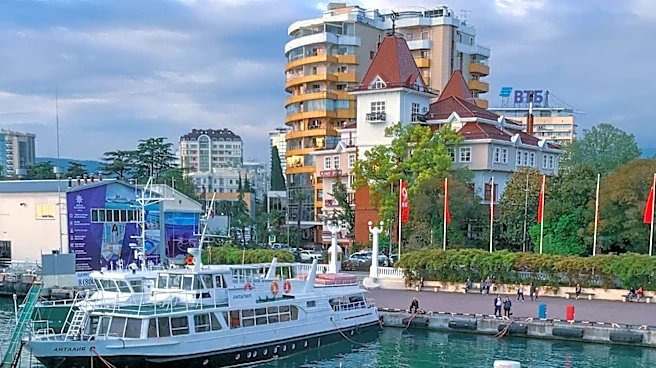
In Anapa, a popular Russian Black Sea resort, Cossacks and volunteers have been deployed to manage the fuel crisis exacerbated by Ukrainian attacks on energy infrastructure. These attacks have led to significant fuel shortages, prompting the city administration
to limit fuel purchases to 20 liters per car. Cossacks are assisting in maintaining order at petrol stations, reducing waiting times, and preventing conflicts. The Russian government has also allowed refiners to produce higher-sulphur gasoline and diesel to alleviate the shortage. Despite these measures, the situation remains tense as both Russia and Ukraine continue to exchange attacks.
Why It's Important?
The fuel crisis in Russia highlights the broader economic impact of the ongoing conflict with Ukraine. As one of the world's largest oil producers, Russia's inability to meet domestic fuel demands underscores the severity of the situation. The involvement of Cossacks in maintaining order reflects the social and logistical challenges faced by local authorities. This crisis could have long-term implications for Russia's energy policies and its ability to sustain military operations. Additionally, the situation may influence public perception and political stability within Russia.
What's Next?
The Russian government is likely to continue implementing measures to address the fuel shortage, including potential increases in fuel imports and adjustments to production regulations. The ongoing conflict with Ukraine will remain a critical factor in determining the effectiveness of these measures. International responses, particularly from countries affected by the fuel shortage, may also influence future developments. The situation requires careful management to prevent further escalation and ensure stability in affected regions.