



What's Happening?
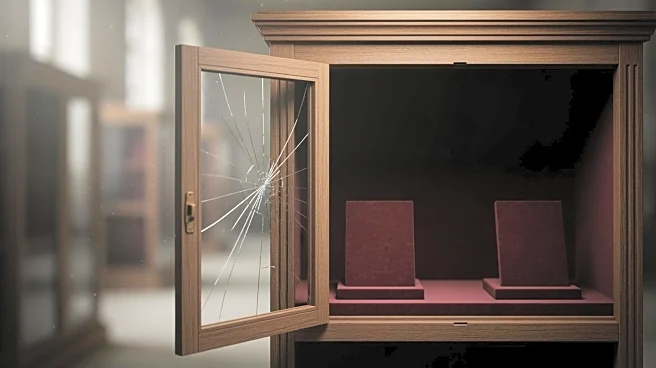
A government investigation has uncovered systemic mismanagement and alleged corruption at China's state-run Nanjing Museum. The inquiry was initiated after artworks donated to the museum began appearing at auctions, raising suspicions. The investigation revealed
that former museum vice-director Xu Huping approved the transfer of paintings to a state-owned relics store, violating a national ban on deaccessioning museum works. The report details how a valuable painting, 'Spring in Jiangnan' by Qiu Ying, was sold at a significantly reduced price through fraudulent means. As a result, 25 individuals now face legal or disciplinary action.
Why It's Important?
The findings at the Nanjing Museum highlight significant issues of governance and accountability within cultural institutions. This case underscores the potential for corruption in the management of national heritage assets, raising concerns about the protection and preservation of cultural property. The scandal may prompt broader reforms in museum management practices, both in China and internationally, to prevent similar occurrences. The legal actions against those involved could serve as a deterrent to future misconduct, emphasizing the importance of transparency and ethical standards in cultural institutions.
What's Next?
The fallout from the investigation may lead to increased scrutiny of other cultural institutions in China, potentially uncovering further instances of mismanagement. The Chinese government may implement stricter regulations and oversight mechanisms to safeguard cultural assets. Internationally, museums and cultural organizations may review their own practices to ensure compliance with ethical standards. The case could also influence global discussions on the repatriation and protection of cultural heritage, as well as the responsibilities of institutions in managing donated works.