




What's Happening?
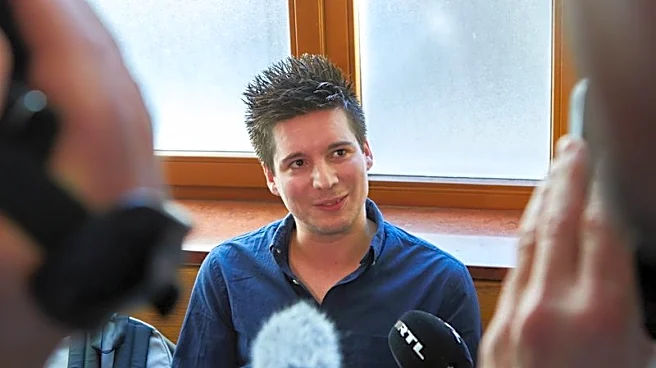
Nuno Rebelo de Sousa, son of former Portuguese President Marcelo Rebelo de Sousa, has been charged with alleged unlawful conduct in public office and abuse of power. These charges stem from an inquiry into the multi-million euro treatment of Portuguese-Brazilian
twins who received the expensive drug Zolgensma at Santa Maria Hospital in 2020. The investigation, which involved examining WhatsApp messages, revealed that Nuno Rebelo de Sousa sought updates from former health secretary António Lacerda Sales regarding the twins' treatment. CNN Portugal reports that an initial approach was made through Sales’ chief of staff, and Nuno Rebelo de Sousa subsequently contacted Sales for information. On March 3, 2020, Sales forwarded a message from Nuno asking what could be shared with the twins’ parents. Later, in May, Nuno forwarded an appeal from the children’s mother, Daniela Martins, who described her desperation and offered approximately 2.5 million Brazilian reais raised through fundraising for the treatment. Prosecutors have also charged Sales and Luís Pinheiro, then clinical director of Santa Maria Hospital, with similar offenses. Daniela Martins faces a separate aggravated fraud charge related to the acquisition of adapted wheelchairs.
Why It's Important?
This case highlights significant concerns regarding the potential for undue influence and preferential treatment within public health services, particularly when political connections are involved. The charges against Nuno Rebelo de Sousa, the son of a former head of state, and other high-ranking officials, underscore a broader issue of transparency and accountability in the allocation of critical medical resources. The use of informal channels, as revealed by the WhatsApp messages, raises questions about equitable access to healthcare and whether political ties can bypass standard procedures. This situation could erode public trust in government institutions and the fairness of the healthcare system. The high cost of the drug Zolgensma, mentioned in the context of fundraising efforts, also brings to light the challenges faced by families in accessing life-saving treatments and the ethical considerations surrounding such expensive therapies. The legal proceedings will be closely watched as they could set precedents for how such cases of alleged influence peddling in public services are handled.
What's Next?
The charges against Nuno Rebelo de Sousa, António Lacerda Sales, and Luís Pinheiro will proceed through the courts, where the allegations of unlawful conduct in public office and abuse of power will be determined. Daniela Martins will face a separate aggravated fraud charge concerning the acquisition of adapted wheelchairs. The legal process is expected to involve further examination of the evidence, including the WhatsApp messages that have already been instrumental in the investigation. The outcome of these trials could lead to significant legal consequences for the individuals involved, potentially including fines or imprisonment, if found guilty. Beyond the immediate legal ramifications, this case may prompt a re-evaluation of protocols and oversight mechanisms within the Portuguese public health system to prevent similar instances of alleged influence. Public and media scrutiny will likely continue, potentially leading to calls for greater transparency and stricter regulations regarding interactions between political figures and public service providers.
Beyond the Headlines
The 'Twins Inquiry' delves deeper than just individual misconduct, exposing systemic vulnerabilities within public institutions where informal networks can potentially supersede formal processes. The revelation of political contacts seeking favors for patients, updates on relatives, and even employment contracts through a former health secretary suggests a culture where access and influence might be leveraged for personal or connected interests. This raises profound ethical questions about the integrity of public service and the principle of equal treatment under the law. The case also touches upon the broader societal implications of highly expensive medical treatments, such as Zolgensma, and how their allocation can become a point of contention and potential corruption when demand outstrips supply or when political influence is perceived to play a role. The public's perception of fairness and justice in healthcare could be significantly impacted, potentially leading to demands for more robust anti-corruption measures and greater transparency in public administration. This incident could serve as a catalyst for a wider debate on governance, accountability, and the ethical responsibilities of those in positions of power.