



What's Happening?
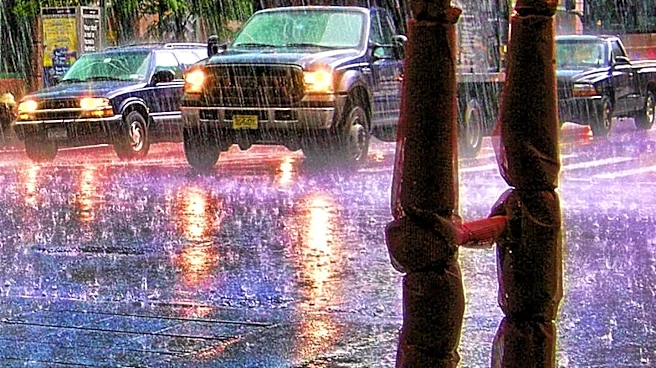
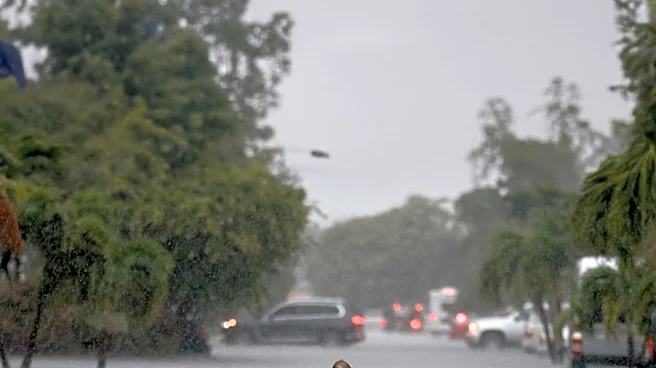
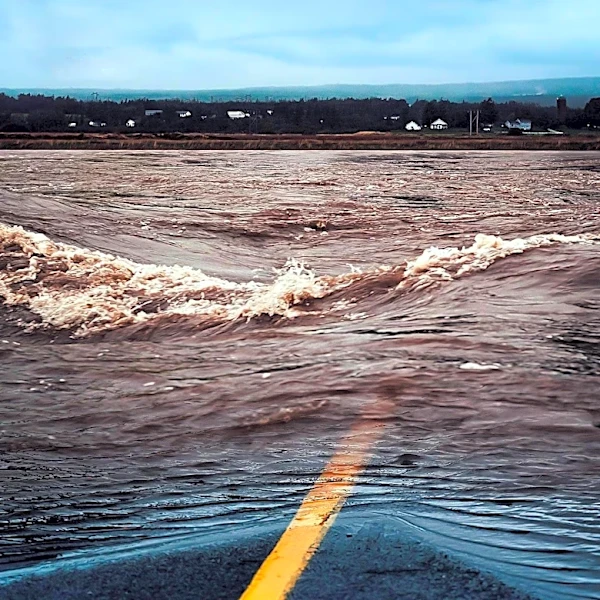
St. Catharines, Ontario, has declared a state of emergency after experiencing severe flooding due to back-to-back storms. The city has been hit by almost 400 millimeters of rain over a short period, causing significant damage to thousands of homes. The flooding has overwhelmed
local infrastructure, with creeks overflowing and sewers backing up into residences. Mayor Mat Siscoe, whose own home was affected, highlighted the emotional toll on the community. The flooding has led to dramatic rescues and widespread property damage, with entire neighborhoods affected. The city is seeking assistance from provincial and federal governments to address the crisis and improve stormwater infrastructure.
Why It's Important?
The declaration of a state of emergency in St. Catharines underscores the increasing frequency and severity of weather-related disasters, likely exacerbated by climate change. The flooding has caused significant disruption to the community, highlighting vulnerabilities in urban infrastructure to extreme weather events. The situation calls for urgent government intervention to provide relief and support to affected residents. It also raises questions about the adequacy of current infrastructure and the need for investment in resilient systems to withstand future climate impacts. The emotional and financial strain on residents is considerable, with many facing repeated damage to their homes.
What's Next?
St. Catharines is seeking immediate assistance from the Ontario and federal governments to manage the crisis and fund infrastructure improvements. The city is also working with local agencies to provide temporary relief to affected residents. With more rain forecasted, there is concern about the capacity of existing infrastructure to handle additional stress. The situation may prompt broader discussions on climate adaptation strategies and the need for comprehensive urban planning to mitigate the impact of such disasters. The community's response and recovery efforts will be closely watched as a case study in managing urban flooding.