





What's Happening?
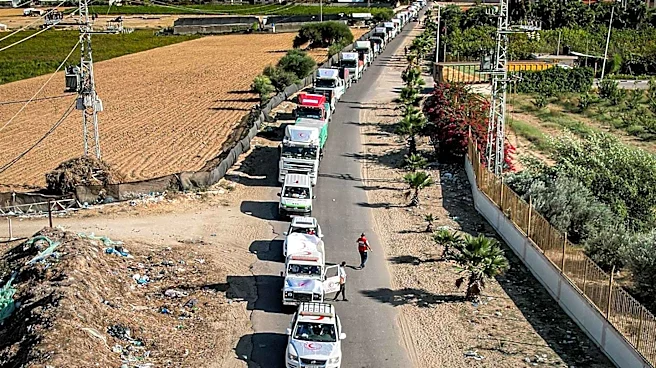
Chad is facing a severe humanitarian crisis, exacerbated by a massive influx of refugees from the conflict in Sudan, the escalating impacts of climate change, and persistent internal conflicts between farmers and herders. Since the Sudanese war began
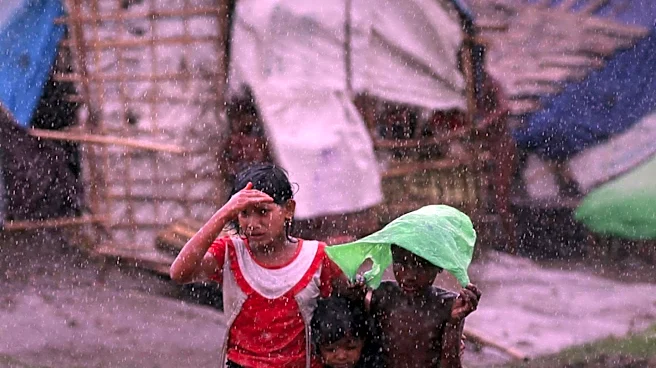
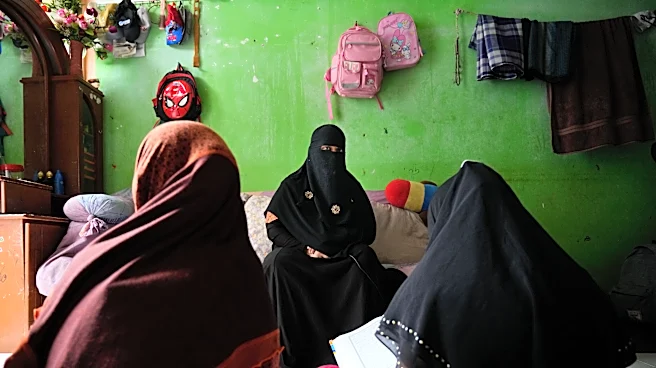
in April 2023, over 900,000 people have fled to Chad, bringing the total number of Sudanese refugees in the country to approximately 1.3 million. This influx, combined with a national poverty rate of 44.8%, strains Chad's already limited resources. International funding is insufficient to meet the enormous humanitarian needs, with UNHCR and WFP warning of further cuts to essential assistance, including food, water, shelter, and healthcare, unless a funding shortfall of $428 million is covered. Chad, one of the countries most vulnerable to global warming, experiences desertification, land degradation, and irregular rainfall, which intensify conflicts over resources. The Sahel region, where Chad is located, is warming at 1.5 times the global average. Additionally, drone attacks have occurred on Chadian territory, with a recent incident on October 19, 2026, killing four people and injuring 14 near the Sudanese border.
Why It's Important?
The multifaceted crisis in Chad has significant regional implications, as the country's stability is crucial for the broader Sahel region. The overwhelming number of refugees, coupled with insufficient international aid, creates immense pressure on Chad's social and economic infrastructure, potentially leading to further instability. The escalating conflicts between farmers and herders, driven by climate change-induced resource scarcity and weaknesses in governance, threaten internal peace and social cohesion. These conflicts result in violence, loss of life, destruction of property, and increased food insecurity, further exacerbating the humanitarian situation. The drone attacks highlight the risk of the Sudanese civil war spilling over into neighboring countries, posing a direct threat to Chad's sovereignty and security. The lack of adequate funding from the international community not only jeopardizes the lives of millions of vulnerable people but also undermines efforts to address the root causes of instability in the region.
What's Next?
Chad continues to keep its borders open to refugees and is appealing to the international community for a more equitable sharing of responsibility to prevent further deterioration of the humanitarian situation. Without immediate and substantial funding, essential assistance to refugees will be further reduced, leading to increased suffering and potential public health crises. The ongoing conflicts between farmers and herders require impartial and fair resolution mechanisms, as current approaches are often perceived as biased, hindering genuine social cohesion. The Chadian government has initiated an investigation into the recent drone attack to establish responsibility, underscoring the need to address external threats to its territory. Addressing the long-term impacts of climate change through resilient infrastructure and sustainable resource management will be crucial to mitigate future conflicts and displacement.
Beyond the Headlines
The humanitarian crisis in Chad is a stark example of how interconnected global challenges—conflict, climate change, and poverty—can converge to create a catastrophic situation. The insufficient international response to the refugee crisis in Chad, despite the country's open-border policy, raises questions about global solidarity and burden-sharing. The internal conflicts, while rooted in historical tensions, are increasingly exacerbated by climate change, illustrating how environmental degradation can become a significant driver of social unrest and violence. The perceived bias in conflict resolution mechanisms further erodes trust in institutions and perpetuates cycles of violence. This situation underscores the need for comprehensive, integrated approaches that address not only immediate humanitarian needs but also the underlying causes of vulnerability, including climate adaptation, good governance, and conflict resolution, to foster long-term stability and human dignity.