

What's Happening?
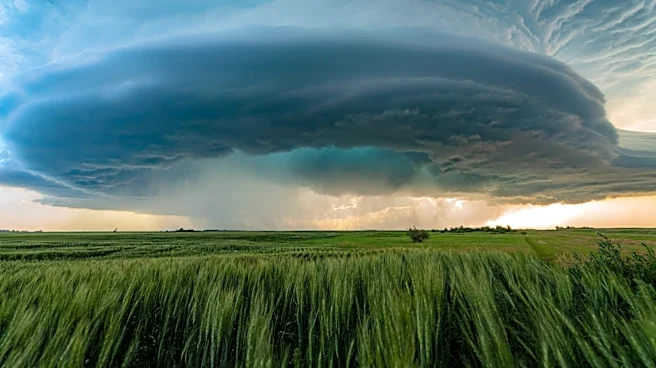
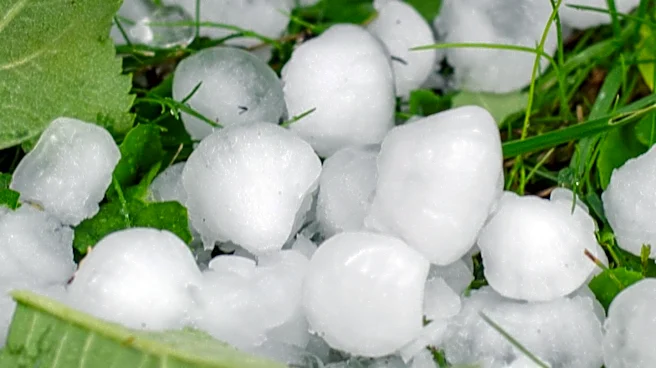
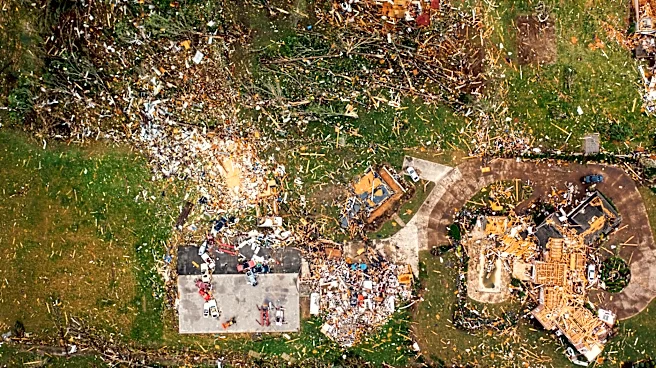
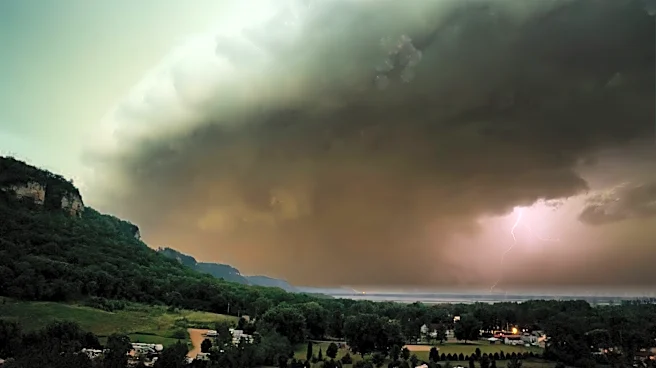
A severe thunderstorm in Linn County, Iowa, has caused significant damage to the corn and soybean fields of farmer Louis Zumbach. The storm, which included hail over an inch wide, resulted in the worst crop damage Zumbach has experienced in his nearly
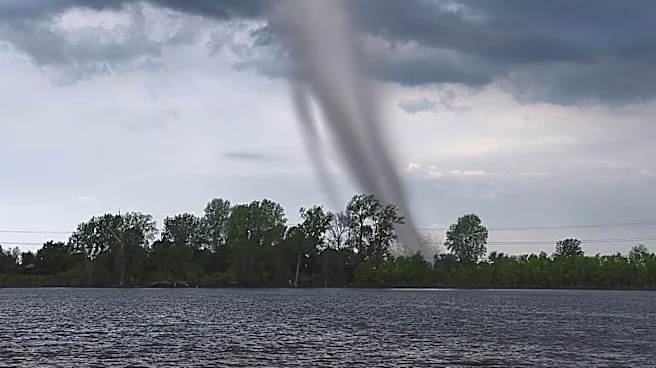
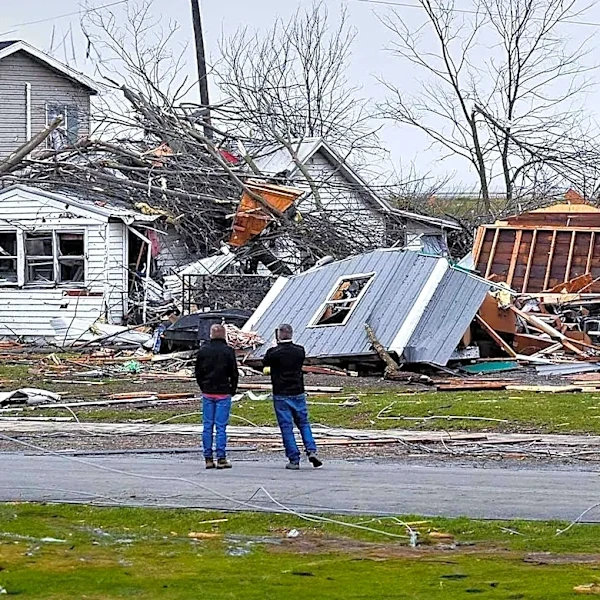
40-year career. The storm also produced an EF-1 tornado near Prairieburg. Zumbach and his wife took shelter during the storm, which left their fields devastated, with soybeans destroyed and corn snapped in half. While Zumbach carries crop and hail insurance, he emphasized that the goal of farming is to produce a crop, not to rely on insurance payouts. The full financial impact of the damage will not be known until the harvest, when Zumbach can assess the yield.
Why It's Important?
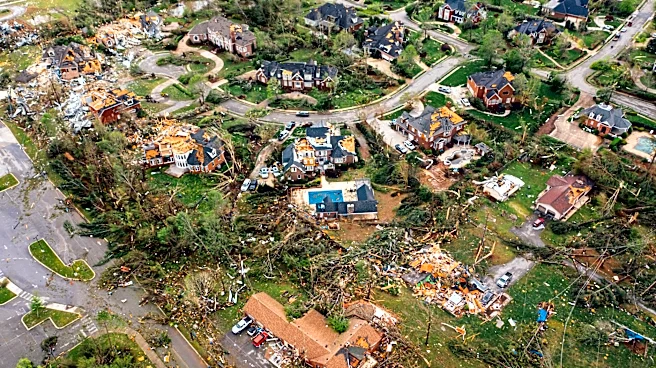
The destruction of crops due to severe weather events like this hailstorm highlights the vulnerability of farmers to climate-related risks. Such events can have significant economic impacts on individual farmers and the agricultural sector as a whole. For farmers like Zumbach, the loss of crops means potential financial instability, even with insurance. This situation underscores the importance of developing more resilient agricultural practices and insurance models that can better support farmers in the face of increasingly unpredictable weather patterns. The broader agricultural community may need to consider adaptive strategies to mitigate the risks posed by climate change.
What's Next?
Zumbach will need to wait until the harvest to fully assess the financial impact of the storm damage. In the meantime, he and other affected farmers may seek assistance from government programs or agricultural organizations to help mitigate their losses. The incident may also prompt discussions among policymakers and agricultural experts about improving support systems for farmers facing similar challenges in the future.