



What's Happening?
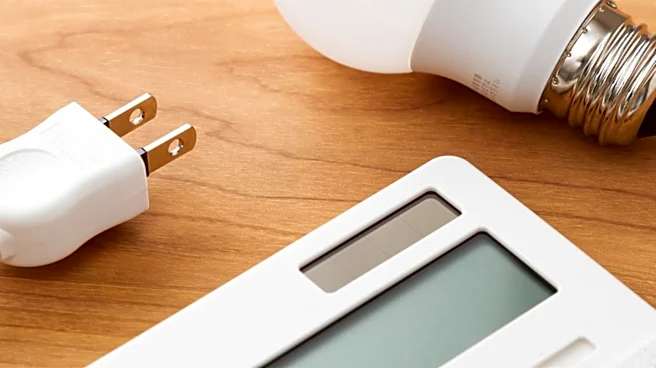
The Low Income Home Energy Assistance Program (LIHEAP), a federal initiative, offers financial aid to eligible U.S. households for heating and cooling expenses. It also supports low-cost weatherization and energy-related home repairs, aiming to enhance
home safety, efficiency, and affordability. Funded by the federal government and administered by states, LIHEAP provides flexibility in how funds are utilized to address residents' energy needs. In fiscal year 2025, the program assisted nearly 6 million households, preventing or restoring energy service over 2.4 million times and weatherizing close to 50,000 homes. Congress allocates annual funding for LIHEAP, with additional emergency funds available for extreme weather or high energy costs. For fiscal year 2026, total LIHEAP funding reached $4.045 billion, an increase of $20 million from FY2025, with FY2027 funding currently undergoing the congressional appropriations process. Utilities and other organizations also offer supplementary assistance beyond LIHEAP.
Why It's Important?
LIHEAP plays a crucial role in mitigating the disproportionate energy burden faced by limited-income households in the U.S., where energy costs can consume a significantly larger portion of their budget—three times that of other households. Over half of families earning less than $35,000 annually have reported sacrificing medicine or food to pay energy bills. The program is particularly vital for vulnerable populations, as nine out of ten LIHEAP-assisted households include an elderly or disabled individual. By preventing service disconnections and improving home efficiency, LIHEAP ensures access to safe and reliable energy, which is essential for health and well-being, especially during extreme temperatures. Beyond immediate bill relief, energy assistance has broader societal impacts, having helped lift an estimated 57,000 children and 78,000 seniors out of poverty in 2024, demonstrating its significant contribution to economic stability and social welfare.
What's Next?
The funding for LIHEAP for fiscal year 2027 is currently progressing through the congressional appropriations process. The American Gas Association (AGA) actively advocates for responsible funding of LIHEAP and collaborates with its member companies and other organizations to raise awareness about the necessity of energy assistance. This ongoing legislative process will determine the level of federal support available for the program in the coming year, directly impacting the number of households that can receive aid. Continued advocacy and collaboration among stakeholders will be crucial to ensure that LIHEAP remains adequately funded to meet the evolving energy assistance needs of vulnerable populations across the U.S. The program's ability to adapt to future energy cost fluctuations and extreme weather events will depend on sustained governmental and private sector support.
Beyond the Headlines
The existence and continued funding of LIHEAP highlight a persistent challenge within the U.S. regarding energy equity and affordability. The program underscores the ethical imperative to ensure basic necessities, such as heating and cooling, are accessible to all citizens, regardless of income. The reliance on federal funding and state administration also points to the complex interplay between national policy and local implementation in addressing social welfare issues. Furthermore, the program's focus on weatherization and energy efficiency not only provides immediate financial relief but also contributes to long-term sustainability goals by reducing overall energy consumption. This multi-faceted approach reflects a broader understanding that energy assistance is not merely a handout but an investment in public health, economic stability, and environmental responsibility, fostering a more resilient and equitable society.