


What's Happening?
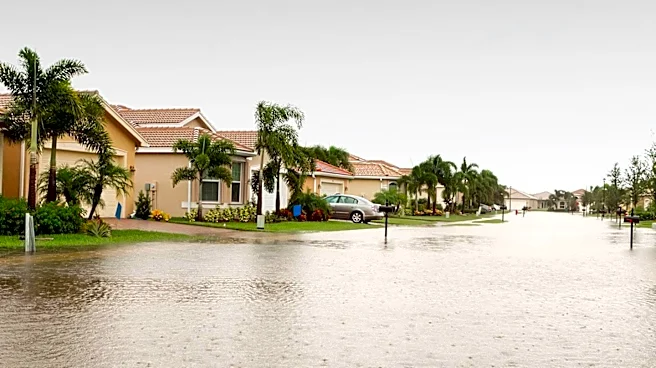
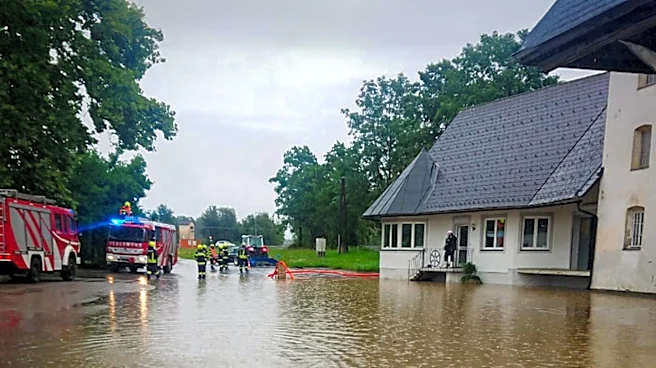
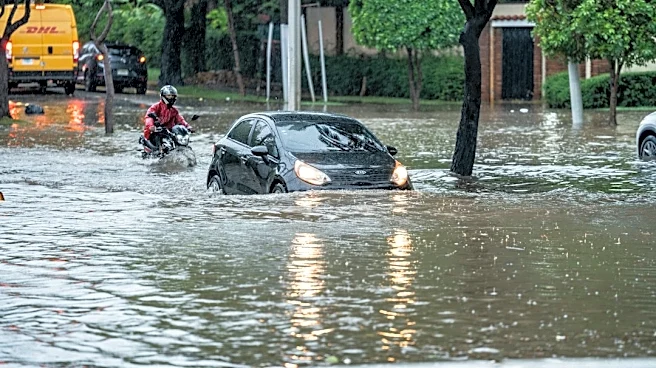
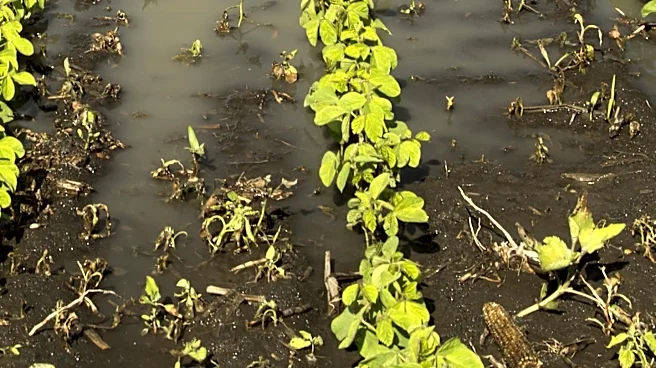
Livestock owners in Stuart, Florida, are grappling with severe flooding that has inundated pastures, forcing them to relocate their animals to driveways and other elevated areas. Melissa, who operates Hungryland Farms and raises Florida Cracker Cattle,
reported that her herd has no dry land left, necessitating the movement of cattle to driveways. This situation has led to farmers bringing in feed for their animals, as natural grazing areas are submerged. Kyla Shay, president of the Trailside Homeowners Association, indicated that the flooding in her community is exacerbated by water runoff from surrounding properties, including county-owned land. She described the drainage system as inadequate, comparing it to a 'straw' that cannot handle the volume of water. Shay also noted that water levels rose significantly overnight, and it could take months for the floodwaters to recede, posing a critical threat to livestock that cannot endure prolonged exposure to deep water.
Why It's Important?
This ongoing flooding crisis in Stuart, Florida, highlights the vulnerability of agricultural operations and local communities to extreme weather events. The displacement of livestock and the destruction of grazing lands represent significant economic losses for individual farmers and could impact the regional agricultural sector. The need for emergency feed and potential evacuation measures adds financial strain and logistical challenges. Furthermore, the issues with drainage infrastructure, as described by Kyla Shay, underscore broader concerns about urban planning and environmental management in flood-prone areas. The prolonged nature of the flooding, potentially lasting months, suggests a long-term disruption to farming livelihoods and raises questions about the resilience of local infrastructure to climate-related challenges. This situation could lead to increased calls for improved flood control measures and support for affected agricultural businesses.
What's Next?
Livestock owners in Stuart are preparing for potential evacuations if floodwaters continue to rise, indicating a critical next step in managing the crisis. Farmers like Melissa will likely continue to rely on external feed sources for their animals, incurring additional costs. The concerns raised by Kyla Shay regarding the inadequate drainage system suggest that local authorities may face pressure to address infrastructure deficiencies. This could involve re-evaluating current drainage capacities, implementing new flood mitigation projects, or reviewing land use policies that contribute to water runoff. The long-term recovery for affected farms will depend on the duration of the flooding and the availability of support programs to help rebuild and restore pastures. Community leaders and agricultural organizations may also advocate for state or federal assistance to aid in the recovery efforts and enhance future preparedness.
Beyond the Headlines
The flooding in Stuart, Florida, extends beyond immediate agricultural losses, revealing deeper implications for land use, environmental policy, and community resilience. The observation that 'cows don’t exist in water' highlights the ethical considerations surrounding animal welfare during natural disasters and the need for robust emergency plans for livestock. The inadequate drainage system points to a systemic issue where development and natural water flows are not harmoniously managed, potentially leading to increased flood risks in other areas. This event could serve as a case study for how climate change impacts local economies and ecosystems, prompting a re-evaluation of how communities adapt to more frequent and intense weather patterns. It also underscores the interconnectedness of urban and rural areas, as runoff from various properties contributes to the overall flooding, necessitating a more integrated approach to water management and land planning.