







What's Happening?
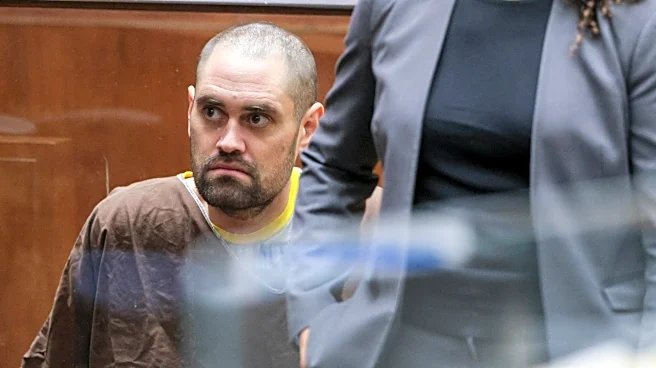
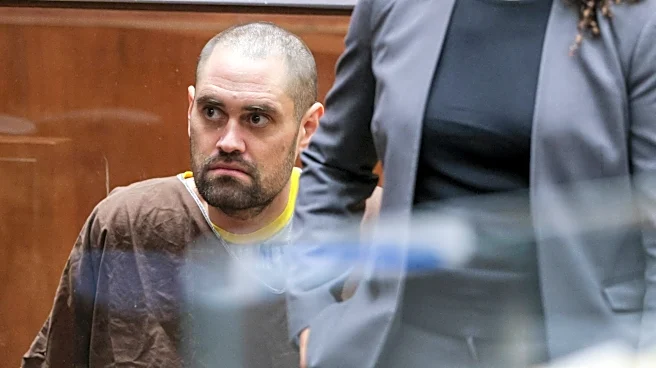
At least two individuals have been arrested in Los Angeles for allegedly misusing millions of dollars in taxpayer money designated to address the city's homelessness crisis. Lakiya Malone, 48, was apprehended in Westmont, South Los Angeles, by federal
agents. She is accused of accepting over $180,000 in bribes and kickbacks by enrolling 'ghost participants'—individuals who were not actually homeless—into non-profit housing facilities. First Assistant U.S. Attorney Bill Essayli stated that Malone enabled fraudsters to divert taxpayer funds intended for the homeless for personal gain. Concurrently, Michael Young, 46, the founder of the Culver City-based non-profit Home At Last (HAL), was also arrested. Young is accused of funneling millions in Los Angeles Homeless Services Authority (LAHSA) funds, allegedly using the money for personal expenses such as private vacations and the construction of a nightclub. The arrests are part of a broader crackdown on fraud and the misuse of public funds aimed at combating the homelessness crisis in Los Angeles.
Why It's Important?
This development is significant as it highlights critical vulnerabilities in the oversight and allocation of public funds intended for social welfare programs, particularly those addressing the severe homelessness crisis in Los Angeles. The alleged misuse of millions of dollars not only represents a betrayal of public trust but also directly undermines efforts to provide essential services and housing to a vulnerable population. Such incidents can erode public confidence in government agencies and non-profit organizations tasked with managing these funds, potentially leading to reduced public support for future initiatives. For taxpayers, it signifies a direct loss of resources that were earmarked for a pressing societal issue. The arrests also underscore the challenges in ensuring accountability and transparency within large-scale public funding programs, especially when multiple entities are involved in their implementation. The diversion of funds for personal enrichment means fewer resources are available for actual homeless individuals, exacerbating an already dire situation and potentially prolonging the crisis.
What's Next?
The investigation into the alleged fraud and misuse of homelessness funds is ongoing, and officials have indicated that more details will be released as they become available. It is likely that further arrests or charges could be made as federal investigators continue to uncover the extent of the alleged scheme. The legal proceedings for Lakiya Malone and Michael Young will commence, which will involve court appearances, potential indictments, and trials. These cases could set precedents for how fraud in public welfare programs is prosecuted and could lead to stricter regulations and oversight mechanisms for organizations receiving taxpayer money for homelessness initiatives. Additionally, the Los Angeles Homeless Services Authority (LAHSA) and other relevant government bodies may face increased scrutiny and pressure to review their internal controls and auditing processes to prevent similar incidents in the future. The community and advocacy groups will likely monitor these developments closely, pushing for greater transparency and accountability in the allocation and use of funds aimed at addressing homelessness.
Beyond the Headlines
Beyond the immediate legal ramifications, this case brings to light deeper systemic issues within the framework of public service and non-profit operations. The alleged actions of Malone and Young expose a potential ethical vacuum where individuals entrusted with public funds prioritize personal gain over the welfare of those they are meant to serve. This incident could trigger a broader re-evaluation of the vetting processes for non-profit organizations and their leadership, as well as the mechanisms for monitoring the expenditure of public money. It also raises questions about the effectiveness of current oversight bodies in detecting and preventing such large-scale fraud. The long-term implications could include a more stringent regulatory environment for non-profits, potentially impacting their operational flexibility and access to funding. Furthermore, the scandal might fuel public cynicism towards charitable organizations and government programs, making it harder to garner support for future initiatives, even legitimate ones, that aim to tackle complex social problems like homelessness. The incident serves as a stark reminder of the constant need for vigilance and robust accountability in the management of public resources.