



What's Happening?
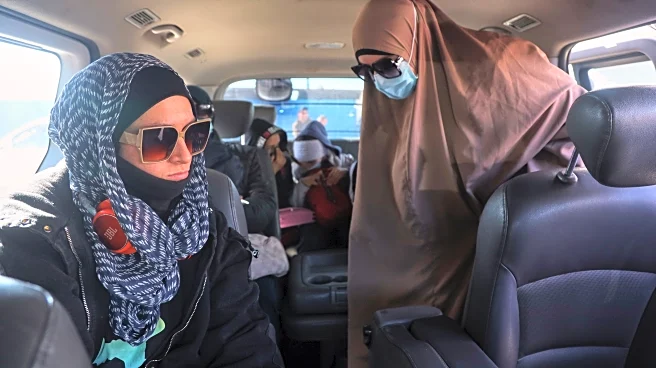
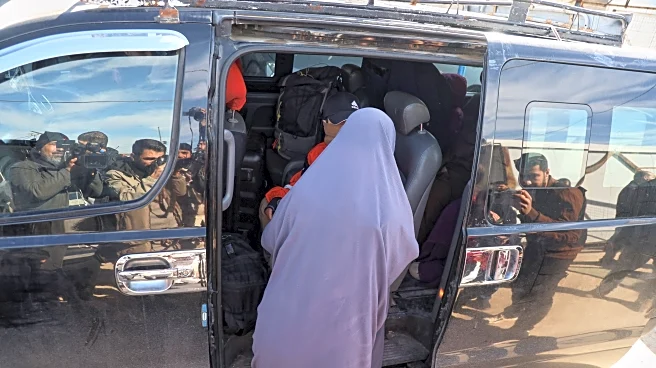
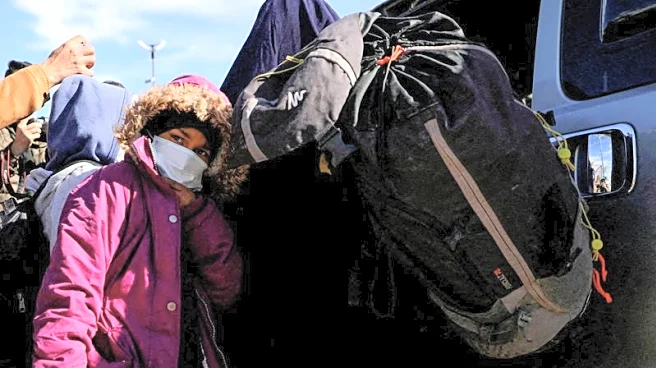
Australia's Prime Minister Anthony Albanese has announced that the government will not repatriate Australian citizens, including women and children, who are currently held in the Roj detention camp in northeastern Syria. This camp houses families of individuals
suspected of having links to the Islamic State (IS) group. The decision comes amid reports of deteriorating security conditions in the camp, which holds around 2,400 women and children from various countries. Despite calls from rights groups like Human Rights Watch and Save the Children, which have highlighted the dire conditions in the camp, the Australian government remains firm in its stance. Prime Minister Albanese stated that the government has no sympathy for those who traveled to participate in IS activities and emphasized that the responsibility for repatriation lies with the families, not the government.
Why It's Important?
The decision by the Australian government not to repatriate its citizens from the Roj camp has significant humanitarian implications. Rights organizations argue that the conditions in the camp are so severe they may amount to torture, and the lack of action could exacerbate the suffering of children who are innocent of their parents' alleged crimes. This stance also reflects a broader international reluctance to repatriate citizens from conflict zones, which could lead to prolonged detention without trial and further human rights violations. The situation underscores the complex balance between national security concerns and humanitarian responsibilities, as countries grapple with the legal and ethical challenges of dealing with citizens who have been involved with extremist groups.
What's Next?
As the security situation in the Roj camp continues to deteriorate, there is increasing pressure on the international community to find a solution for the detainees. The Syrian government has announced plans to close the camp, which raises questions about the future of its residents. If the camp is closed, countries like Australia may face renewed calls to take responsibility for their citizens. Additionally, the ongoing conflict in Syria and the involvement of various international actors complicate the prospects for a stable resolution. The situation may prompt further legal challenges and advocacy efforts from human rights organizations seeking to ensure the safety and rights of the detainees.
Beyond the Headlines
The refusal to repatriate citizens from the Roj camp highlights broader issues of international law and the rights of children in conflict zones. The situation raises ethical questions about the treatment of children who are caught in the crossfire of their parents' actions. It also reflects the challenges of international cooperation in addressing the aftermath of conflicts involving non-state actors like IS. The case may set a precedent for how countries handle similar situations in the future, potentially influencing international norms and policies regarding the repatriation of citizens from conflict zones.