


What's Happening?
An open-source solution has been developed to allow local control of Airzone zoning systems, such as Easyzone and Flexa 3, without relying on the Airzone Cloud Webserver. This development comes as Airzone introduced a paid subscription, 'Plan Airzone Cloud,'
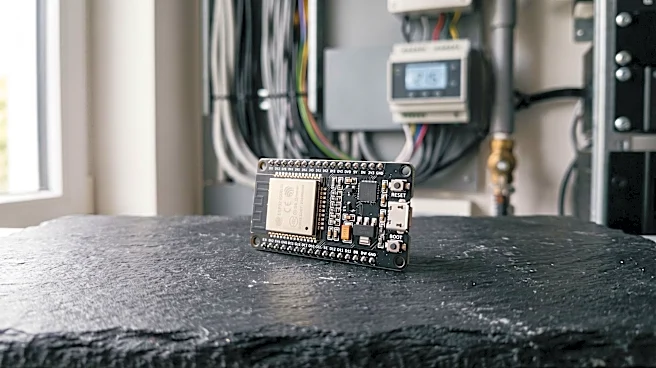
on October 28, 2026, costing €48 per year per installation. Without this subscription, remote control becomes view-only, historical data is limited, and cloud integrations like voice assistants are unavailable. The new open-source replacement utilizes an ESP32 board that connects directly to the Airzone domotic bus (RS-485 Modbus), where the original webserver would typically reside. This board then exposes the system's functionalities to Home Assistant via MQTT discovery, providing local control over climate entities per zone, temperature, humidity, air quality, and other settings. The project is MIT-licensed and written in Rust, offering an alternative for users seeking to avoid recurring subscription fees and maintain full local control over their smart home climate systems.
Why It's Important?
This initiative is significant for U.S. consumers and the broader smart home industry as it champions local control and open-source alternatives against proprietary cloud-based systems and subscription models. The trend of manufacturers shifting core functionalities behind paywalls, as seen with Airzone, can lead to increased long-term costs and reduced user autonomy. This open-source ESP32 solution empowers users to bypass such restrictions, ensuring their smart home devices remain fully functional without ongoing fees. It highlights a growing demand for privacy, data ownership, and uninterrupted functionality, which are often compromised by cloud-dependent services. For the smart home market, this could encourage other developers to create similar local control solutions, fostering competition and potentially influencing manufacturers to reconsider their subscription strategies. It also underscores the value of community-driven development in providing sustainable and user-centric alternatives in the rapidly evolving IoT landscape.
What's Next?
The developer encourages users with different Airzone central units to test the open-source firmware, even in listen-only mode, to expand its compatibility list. This community-driven testing will be crucial for refining the system and ensuring broader adoption. Future developments may include enhanced features, improved stability across various Airzone configurations, and potentially more user-friendly installation processes. The success of this project could inspire similar open-source efforts for other smart home devices that are increasingly moving towards subscription-based models. As more users seek to reclaim control over their devices and avoid recurring costs, the demand for such local control solutions is likely to grow, potentially leading to a more decentralized and user-empowered smart home ecosystem.
Beyond the Headlines
The emergence of this open-source gateway reflects a broader philosophical debate within the technology sector regarding ownership, control, and the 'right to repair' or 'right to tinker.' As more devices become 'smart' and connected, the power dynamic often shifts from the consumer to the manufacturer, particularly through mandatory cloud services and subscriptions. This project challenges that paradigm by demonstrating that with sufficient technical expertise and community collaboration, users can regain control over their purchased hardware. It raises ethical questions about planned obsolescence and the long-term viability of devices whose core functionalities are tied to external, potentially transient, cloud services. The success of such initiatives could pave the way for greater consumer advocacy for open standards and interoperability in the IoT space, pushing for a future where device functionality is not perpetually held hostage by corporate policies.