


What's Happening?
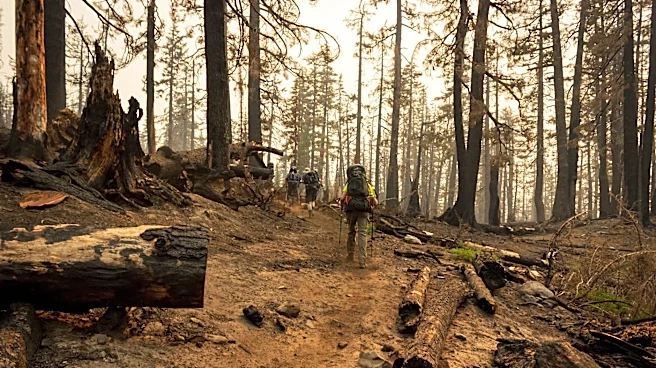
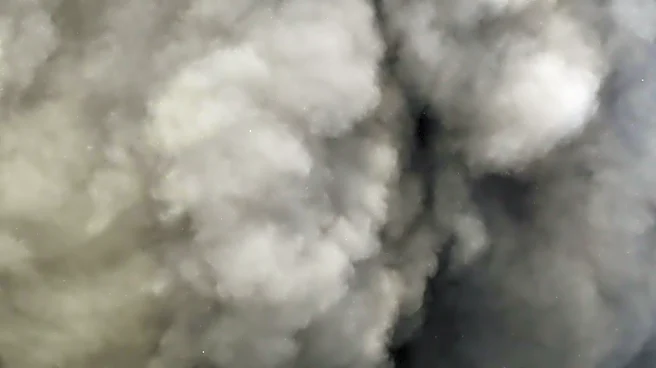
Oregon is facing multiple wildfires, including the Grasshopper Fire near Mount Hood, which has prompted red flag warnings due to critical weather conditions. The Grasshopper Fire has burned nearly 50,000 acres, leading to the closure of Highway 35 and
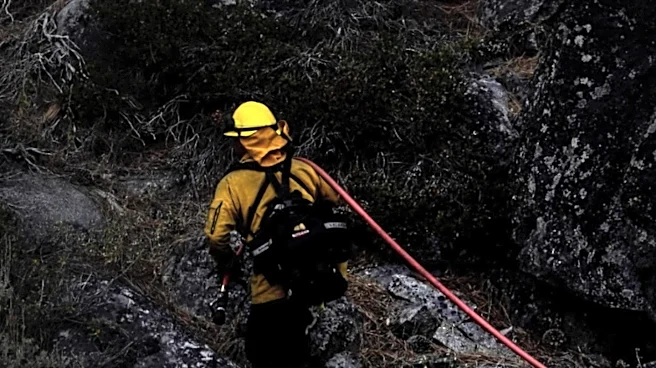
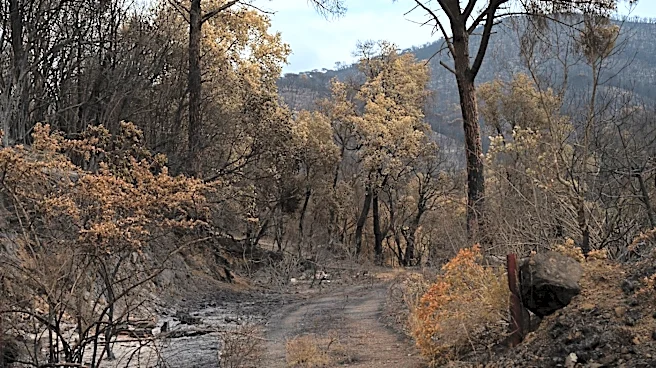
numerous evacuations. Other fires, such as the Woodrat Fire near Jacksonville and the Wright Springs Fire near Chiloquin, have also caused evacuations and significant damage. The state is currently managing 32 active wildfires, with over 10,000 personnel involved in firefighting efforts. The situation is exacerbated by hot, dry, and windy conditions, which are expected to persist.
Why It's Important?
The widespread wildfires in Oregon highlight the increasing threat of climate-related disasters and their impact on communities and infrastructure. The red flag warning indicates heightened fire danger, necessitating urgent action to protect lives and property. The fires have disrupted transportation, tourism, and local economies, emphasizing the need for effective emergency response and resource management. The situation underscores the importance of addressing climate change and investing in resilient infrastructure to mitigate the effects of such disasters.
What's Next?
Firefighting efforts will continue, with a focus on containment and protecting critical infrastructure. Authorities are closely monitoring weather conditions, as they significantly influence fire behavior. Evacuation orders remain in place, and residents are urged to stay informed and prepared for potential changes. The state will likely review and enhance its wildfire management strategies to improve future responses. The ongoing fires may prompt discussions on climate policy and the need for sustainable land management practices.