
What's Happening?
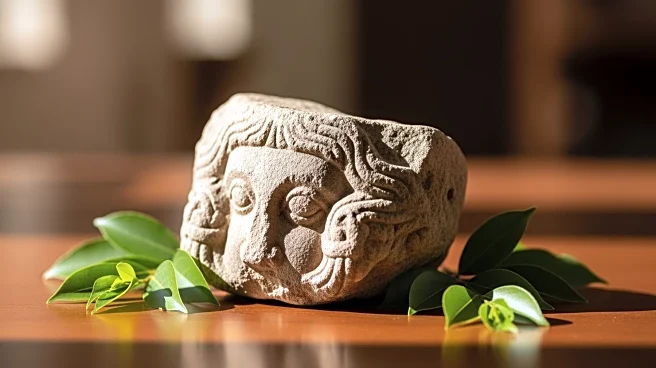
The Smithsonian's National Museum of Asian Art has announced the return of three Khmer-era sculptures to Cambodia as part of its ongoing efforts to repatriate looted artifacts. The sculptures, which include
religious figures from Hindu and Buddhist traditions, were believed to have been taken during Cambodia's civil unrest over 50 years ago. This move is part of a broader initiative by museums and institutions worldwide to address the historical injustices of artifact looting and to restore cultural heritage to its rightful owners.
Why It's Important?
The repatriation of these artifacts is significant in the context of global efforts to rectify historical wrongs related to cultural heritage theft. It highlights the growing recognition of the importance of returning cultural property to its countries of origin, which can help heal historical wounds and restore national pride. This action by the Smithsonian sets a precedent for other institutions holding similar artifacts and underscores the ethical responsibilities of museums in preserving and respecting cultural heritage.
What's Next?
The Smithsonian's decision may encourage other museums to review their collections and consider the repatriation of artifacts with questionable provenance. This could lead to increased collaboration between countries to identify and return looted cultural property. The Cambodian government is likely to continue its efforts to recover other artifacts taken during periods of conflict, and international dialogue on cultural heritage preservation is expected to intensify.