





What's Happening?
Somalia is grappling with a severe hunger crisis, with approximately six million people, or one-third of its population, experiencing acute hunger or worse. This dire situation is exacerbated by significant cuts in international aid, which have severely
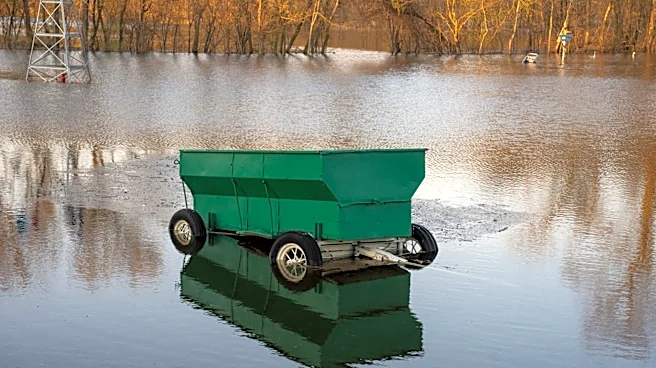
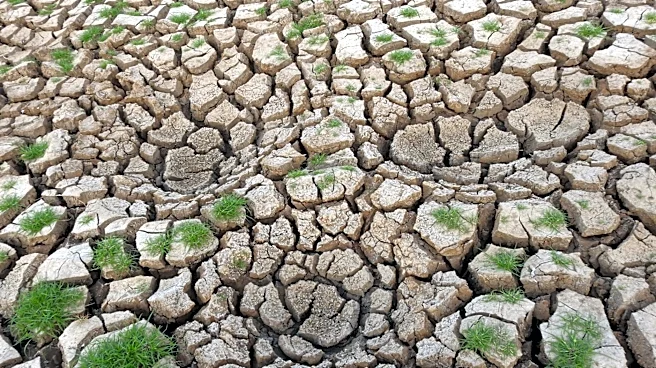
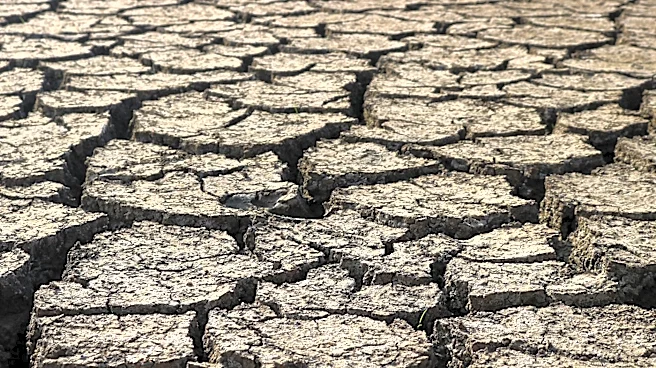
limited the World Food Programme's (WFP) ability to provide assistance. According to the WFP, resources are ten times lower than during the 2022 hunger emergency, when they successfully prevented a famine. The United Nations Children's Fund (UNICEF) reports that 205 health and nutrition facilities have closed due to these aid reductions, leading to a 32 percent increase in children admitted to stabilization centers for severe acute malnutrition. The humanitarian response in Somalia is currently 70 percent underfunded. The crisis is further compounded by consecutive seasons of drought and the impending threat of severe flooding due to the El Niño phenomenon, which forecasters predict could rival the devastating floods of 2023.
Why It's Important?
The escalating crisis in Somalia highlights the critical impact of international aid fluctuations on vulnerable populations and the broader implications of climate change. The reduction in funding not only directly affects the immediate survival of millions but also undermines long-term stability and development efforts. The closure of health and nutrition facilities, as warned by UNICEF, signifies a breakdown in essential services, leading to preventable deaths and a generation of children with compromised health. This situation creates a cycle of vulnerability, making communities more susceptible to future shocks. The confluence of aid cuts and severe climate events, such as prolonged drought and anticipated El Niño-induced flooding, demonstrates how environmental factors can amplify humanitarian crises, demanding a more robust and sustained international response to prevent widespread catastrophe and potential regional instability.
What's Next?
The immediate focus for Somalia and international aid organizations is to secure urgent funding to address the critical shortfall. The WFP requires USD 198 million for the next six months, facing an urgent deficit of USD 147 million for humanitarian food assistance and nutrition. Without this funding, only the most severely affected individuals can receive minimal aid. Concurrently, significant efforts are underway to prepare for the anticipated El Niño-related flooding, expected between October and December 2026. The Somali government, in collaboration with humanitarian partners, is scaling up preparedness, including contingency planning, risk analysis, and coordination at national and state levels. The Cabinet has endorsed a national El Niño preparedness plan, and officials are urging communities to take precautionary measures. The long-term strategy involves strengthening food security, building resilience, and improving livelihoods through initiatives like the $1.5 billion Food Security Strategy for 2026-2030, which aims to shift towards integrated, people-centered programming.
Beyond the Headlines
The crisis in Somalia extends beyond immediate hunger and climate impacts, revealing deeper systemic challenges related to global aid priorities and climate justice. The redirection of international aid to other humanitarian crises, as noted by the WFP, underscores a brutal contradiction where one crisis is addressed at the expense of another, leaving vulnerable nations like Somalia in a precarious position. This situation raises ethical questions about the equitable distribution of humanitarian resources and the responsibility of the international community. Furthermore, the repeated cycle of climate-induced disasters, such as droughts and floods, highlights Somalia's disproportionate vulnerability to climate change, despite its minimal contribution to global emissions. This necessitates a re-evaluation of long-term investment in climate resilience and adaptation for such nations, moving beyond emergency aid to sustainable development that addresses the root causes of vulnerability and prevents future humanitarian crises.