





What's Happening?
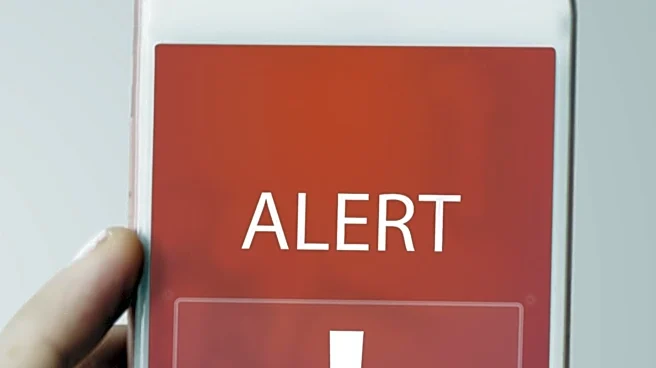
The Federal Communications Commission (FCC) and the Federal Emergency Management Agency (FEMA) have scheduled a nationwide test of the Emergency Alert System (EAS) for November 17 at 2:20 p.m. Eastern time. This test will broadcast an alert on television
and radio, lasting approximately one minute, and will not affect cellphones. The test is part of FEMA's Integrated Public Alert and Warning System (IPAWS), which is designed to deliver emergency alerts to the public during crises via various devices, including phones, radios, and televisions. This particular test focuses on EAS alerts, which are intended to allow the President to address the American public within 10 minutes of a national emergency. The system also includes Wireless Emergency Alerts (WEAs) for mobile phones and NOAA Weather Radio for weather and public safety hazards. Nationwide EAS tests are conducted at least once every three years, with the last WEA test occurring in 2023. This year's test coincides with global advisories for citizens to prepare emergency provisions due to potential threats like war, extreme weather, or cybersecurity incidents.
Why It's Important?
This nationwide test is crucial for ensuring the reliability and effectiveness of the United States' emergency communication infrastructure. A functional EAS is vital for national security and public safety, enabling rapid dissemination of critical information during widespread emergencies. The test helps identify any technical issues or gaps in the system, ensuring that it can perform as intended when a real crisis occurs. The timing of this test, amidst global recommendations for emergency preparedness, underscores the increasing awareness of potential large-scale disruptions. It serves as a reminder to the public about the importance of emergency readiness, as advised by FEMA and ready.gov, which recommend maintaining several days' supply of nonperishable food, water, and an emergency kit. The ability to effectively alert the population is a cornerstone of national disaster response and resilience, impacting how quickly and safely communities can react to unforeseen events.
What's Next?
Following the November 17 test, FEMA and the FCC will likely analyze the results to assess the system's performance and identify any areas for improvement. This evaluation is standard practice after such exercises to ensure the robustness of the emergency alert infrastructure. The public can expect continued emphasis from government agencies on individual and family preparedness, with ongoing recommendations to maintain emergency kits and plans. Future tests of the IPAWS system, including WEAs, will continue to be conducted periodically to maintain operational readiness. The broader context of global advisories for stockpiling provisions suggests that governments will continue to encourage citizens to be self-sufficient for a period following potential emergencies, reinforcing the importance of these alert systems as part of a comprehensive national preparedness strategy.
Beyond the Headlines
The regular testing of the Emergency Alert System highlights a deeper societal reliance on centralized communication for crisis management. While essential for immediate warnings, it also implicitly encourages public trust in official channels during emergencies. The system's design, particularly the non-opt-out nature of presidential alerts, reflects a national security imperative to ensure universal reach during critical events, raising subtle questions about the balance between individual autonomy and collective safety in times of crisis. Furthermore, the emphasis on preparedness, extending to advice on stockpiling, points to a growing recognition of the potential for prolonged disruptions that could overwhelm immediate governmental response capabilities. This shift suggests a long-term trend towards fostering greater community and individual resilience, moving beyond just immediate alerts to sustained self-sufficiency in the face of complex threats.