






What's Happening?
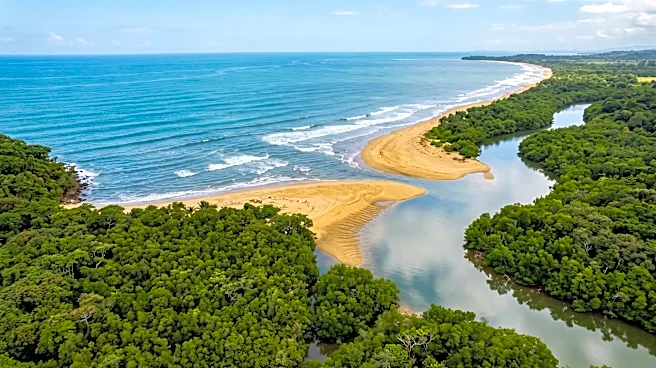
Environmental authorities in Costa Rica are investigating the deaths of two bull sharks, along with rays, pufferfish, and other fish species, found in an estuary at Playa Langosta, south of Tamarindo on Guanacaste’s northern Pacific coast. This incident
is particularly notable as there were no previous records of bull sharks entering this specific estuary. The Ministry of Environment and Energy (MINAE) expressed concern and, in collaboration with the National System of Conservation Areas (SINAC) and other institutions, is conducting an assessment. The investigation will examine factors such as the natural closure of the estuary's mouth, water quality, and potential effects of changing conditions linked to El Niño, including warmer water and coastal shifts. The mouth of the estuary had naturally closed about a week prior to the discovery due to sand accumulation where it meets the ocean. The Tamarindo Integral Development Association (ADIT) alerted SINAC and has filed a complaint regarding the deaths.
Why It's Important?
The unexplained deaths of marine life, particularly bull sharks in an uncharacteristic location, highlight potential ecological vulnerabilities in Costa Rica's coastal ecosystems. The investigation into factors like estuary closure, water quality, and El Niño's impact underscores the broader environmental challenges faced by marine habitats globally. A sharp drop in dissolved oxygen, a hypothesized cause, can be fatal to aquatic species and points to the delicate balance required for estuarine health. Bull sharks are known for their tolerance to fresh and brackish water and are a familiar presence along Guanacaste’s coast, making their deaths in this specific estuary a significant concern for local biodiversity and conservation efforts. The incident also brings attention to the potential consequences of natural phenomena like El Niño on marine life and the need for continuous monitoring and research.
What's Next?
MINAE has stated that no specific cause for the deaths has been confirmed, and it would be premature to attribute them before a technical assessment is complete. The assessment will continue to investigate the natural closure of the estuary’s mouth, water quality, and the effects of El Niño. Authorities are also monitoring other estuaries in the region, including Avellanas, Bejuco, Ostional, Junquillal, and Bongo-Ario, some of which have also experienced natural closures. The public has been asked not to alter the estuary mouth without authorization from environmental authorities while the assessment is underway. SINAC will continue to monitor the site and other coastal areas as the investigation progresses, with ADIT urging residents to report any new incidents.
Beyond the Headlines
This event could signify a broader ecological shift or increased environmental stress in Costa Rica's coastal regions, potentially exacerbated by climate patterns like El Niño. The natural closure of estuaries, while sometimes a natural process, can become more frequent or severe under changing climatic conditions, leading to isolated water bodies with depleted oxygen levels. The incident also raises questions about the resilience of marine species to rapid environmental changes and the effectiveness of current monitoring and intervention strategies. Understanding the precise cause of these deaths could inform future conservation policies and management practices for vulnerable coastal ecosystems, not just in Costa Rica but in other regions facing similar environmental pressures. The involvement of local associations like ADIT highlights the critical role of community engagement in environmental stewardship and reporting.