







What's Happening?
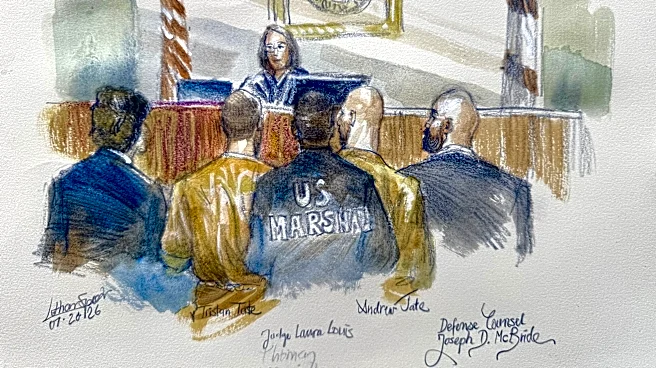
A U.S. magistrate judge has ruled that President Donald Trump must disclose detailed financial information from his businesses as part of his $10 billion defamation lawsuit against the BBC. The lawsuit challenges a BBC documentary that allegedly edited
Trump's January 6, 2021, speech to imply he incited violence. The BBC has apologized for the edit but argues the defamation claims are baseless. The ruling allows the BBC to subpoena Trump's inner circle, including family members and advisers, to gather evidence about Trump's intentions on January 6. Trump's legal team plans to amend the complaint to focus on reputational damage rather than business impact.
Why It's Important?
The decision to compel financial disclosures could provide a rare glimpse into the financial dealings of Trump's extensive business empire. This case illustrates the complexities and potential pitfalls of high-stakes defamation lawsuits, particularly for public figures. The ruling may influence how similar cases are approached in the future, potentially affecting the balance between media freedom and the protection of reputational interests. The case also continues to draw attention to the events of January 6, maintaining its relevance in the political discourse.
What's Next?
Trump's legal team is expected to appeal the ruling, seeking to limit the scope of the lawsuit and avoid the release of sensitive financial information. The BBC will likely proceed with its subpoenas to gather further evidence. The outcome of this case could set a precedent for how defamation cases involving public figures and media organizations are handled, potentially impacting future legal strategies and media practices.