






What's Happening?
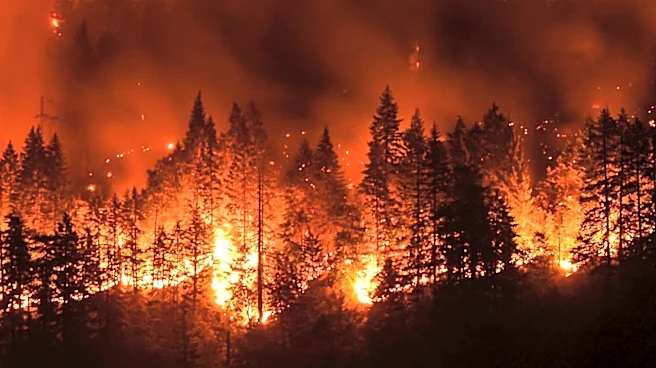
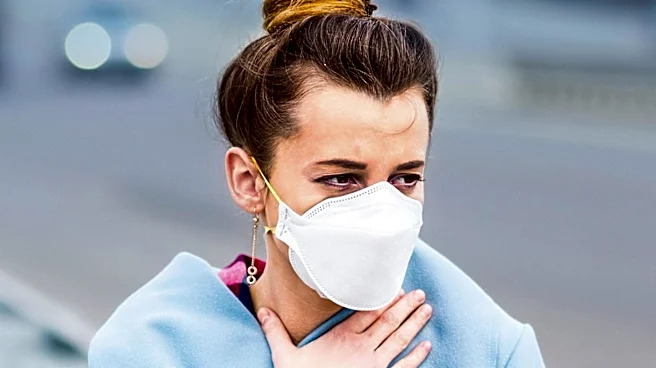
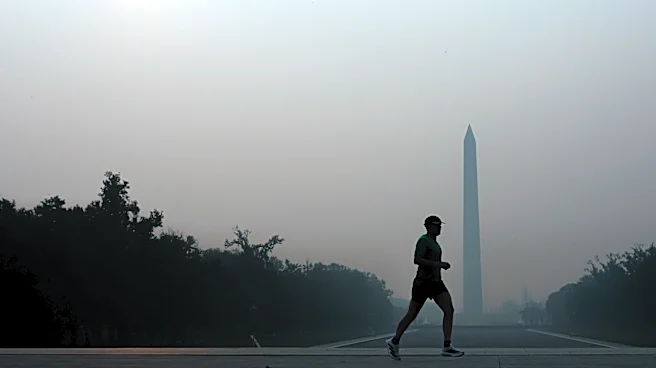
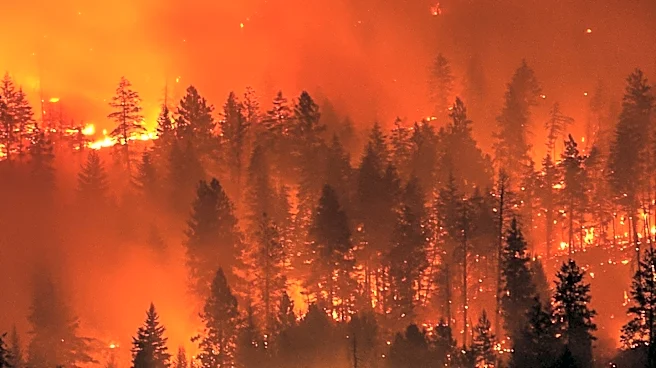
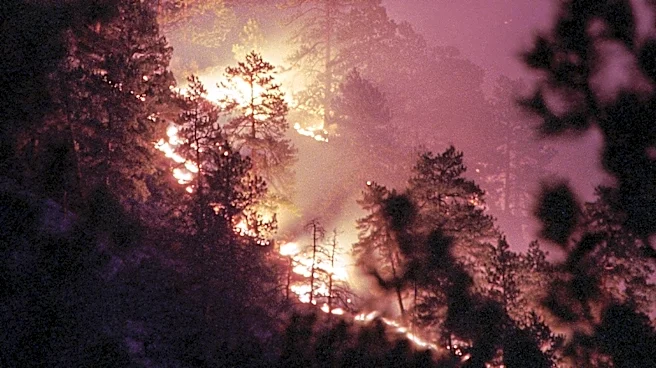
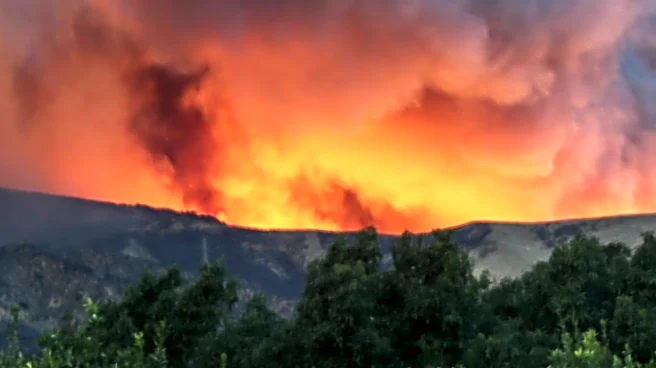
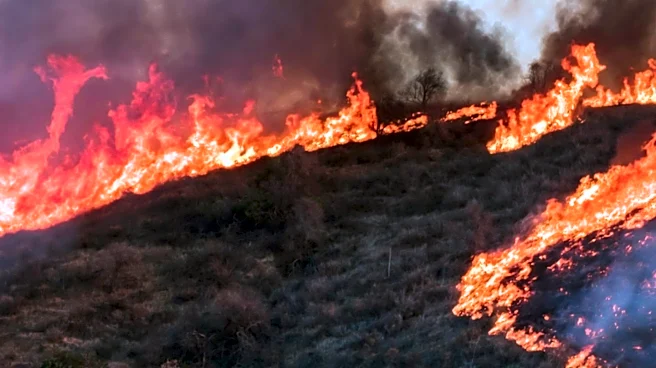
Doctors have raised concerns about the health risks associated with exposure to wildfire smoke, highlighting the potential for permanent lung damage. According to medical experts, the fine particles present in wildfire smoke can cause immediate respiratory
issues and eye irritation. Prolonged exposure to these particles may increase the risk of developing permanent lung damage and lung cancer. Dr. Abeer Berry, a cardiologist at Huron Valley Hospital, emphasized that individuals with pre-existing heart conditions could be particularly vulnerable to the adverse effects of wildfire smoke. The warning comes as wildfires continue to affect various regions, leading to increased air pollution and health risks for the population.
Why It's Important?
The health implications of wildfire smoke are significant, particularly for individuals with existing respiratory or cardiovascular conditions. The potential for permanent lung damage and increased cancer risk underscores the need for public health interventions and awareness. As wildfires become more frequent and intense due to climate change, the associated health risks are likely to rise, impacting healthcare systems and communities. Vulnerable populations, including the elderly and those with chronic health issues, may face heightened risks, necessitating targeted health advisories and protective measures. The economic burden of treating smoke-related health conditions could also strain healthcare resources.
What's Next?
In response to the health risks posed by wildfire smoke, public health officials may need to implement more robust air quality monitoring and alert systems. Communities in wildfire-prone areas could benefit from increased access to protective equipment, such as masks and air purifiers, to mitigate exposure. Healthcare providers might also need to prepare for an uptick in respiratory and cardiovascular cases during wildfire seasons. Long-term strategies could include advocating for policies aimed at reducing wildfire occurrences and improving emergency response capabilities. Public education campaigns may be necessary to inform residents about the risks and protective measures related to wildfire smoke exposure.