



What's Happening?
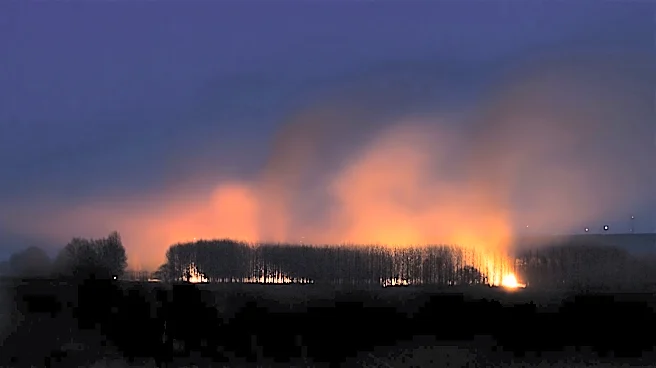
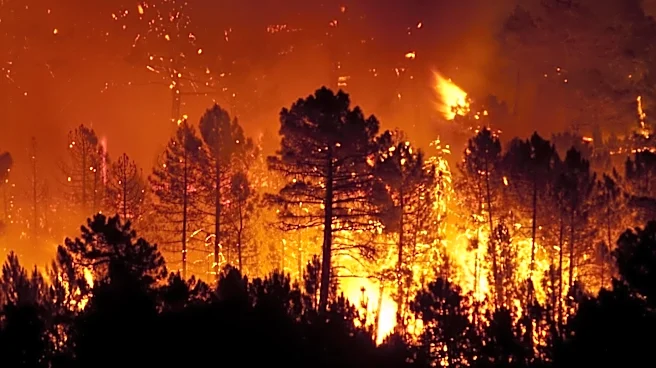
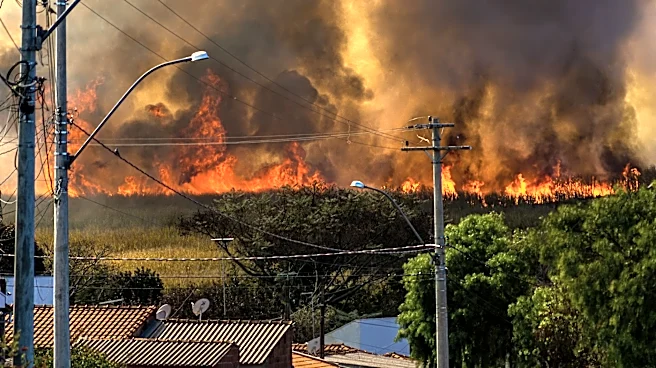
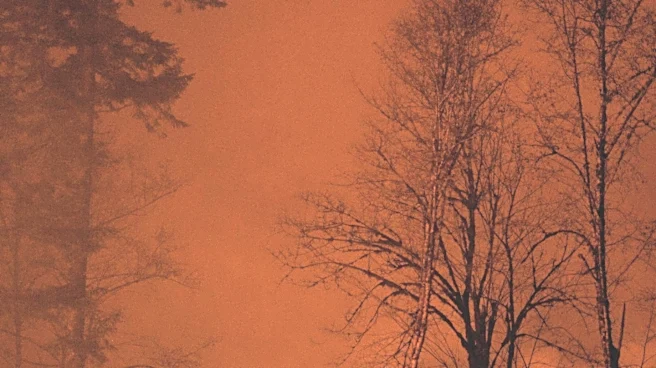
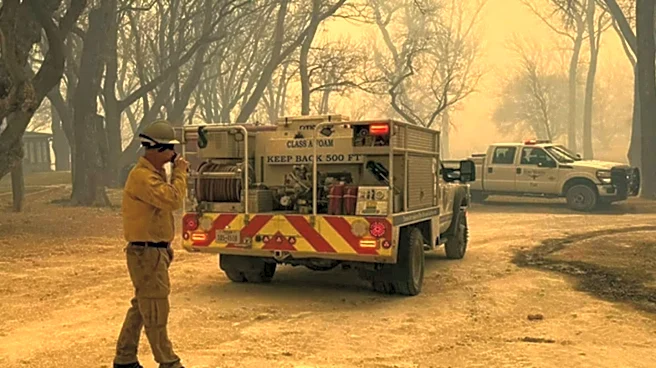
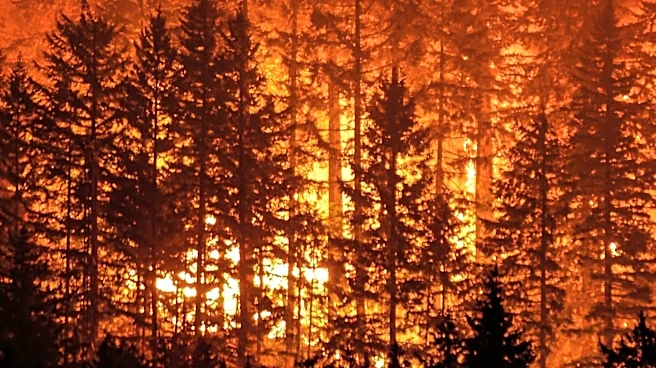
A recent study has revealed that Michigan suffered at least $4 billion in economic losses due to wildfire smoke that affected parts of the U.S. for several days. The smoke, originating from wildfires, significantly impacted air quality and visibility,
leading to disruptions in various sectors. The economic losses are attributed to decreased productivity, health-related costs, and impacts on tourism and outdoor activities. This event highlights the vulnerability of regions to environmental disruptions and the substantial economic consequences that can arise from such occurrences.
Why It's Important?
The economic impact of wildfire smoke in Michigan underscores the broader implications of environmental challenges on state economies. The $4 billion loss reflects not only immediate disruptions but also long-term effects on public health and economic stability. Industries such as tourism, agriculture, and outdoor recreation are particularly vulnerable to such environmental events. This situation emphasizes the need for comprehensive strategies to mitigate the effects of climate-related disruptions and to enhance resilience in affected communities.
What's Next?
In response to the economic losses, Michigan may need to invest in air quality monitoring and public health initiatives to better prepare for future environmental events. Policymakers might also consider implementing stricter regulations on emissions and promoting sustainable practices to reduce the frequency and severity of wildfires. Additionally, there could be increased collaboration with neighboring states and federal agencies to develop coordinated responses to environmental challenges.