
What's Happening?
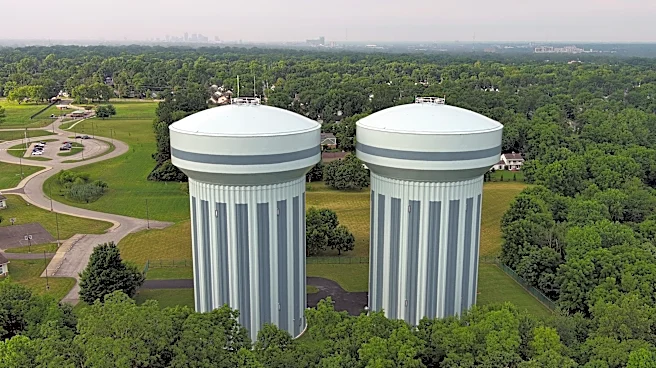
Cyberattacks on water systems in at least 12 U.S. states, including Michigan, Minnesota, Georgia, New Jersey, and South Dakota, have been reported, with federal investigators suspecting Iran-backed hackers. These attacks have resulted in the loss of monitoring
and control functionality in some systems, forcing operators to switch to manual mode. The FBI, Environmental Protection Agency, and Cybersecurity and Infrastructure Security Agency have issued warnings and advised water agencies to disconnect their systems from the internet and enhance security measures. The tactics used resemble those of the CyberAv3ngers, a group linked to the Iranian Revolutionary Guard.
Why It's Important?
The cyberattacks on U.S. water systems underscore the vulnerability of critical infrastructure to foreign cyber threats. Water systems are essential for public health and safety, and disruptions could have severe consequences. The suspected involvement of Iran-backed hackers highlights geopolitical tensions and the potential for cyber warfare to impact civilian infrastructure. This situation emphasizes the need for robust cybersecurity measures and coordination between federal, state, and local agencies to protect critical infrastructure from cyber threats.
What's Next?
Federal and state agencies will likely continue to investigate the cyberattacks and work to attribute them formally. Water agencies across the country may implement stronger cybersecurity protocols to prevent future incidents. The situation could prompt discussions on national cybersecurity policy and the need for increased investment in protecting critical infrastructure. Additionally, diplomatic responses to the suspected involvement of Iran-backed hackers may be considered as part of broader geopolitical strategies.