
What's Happening?
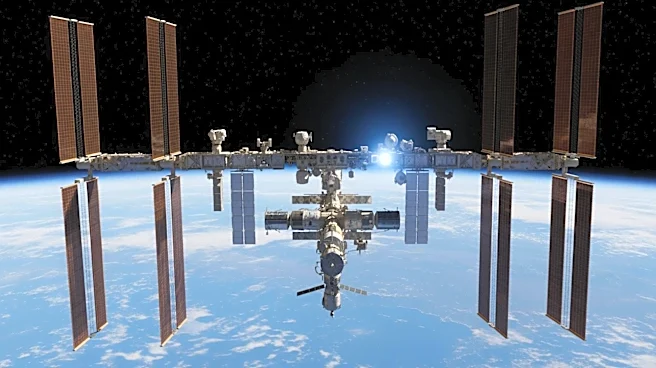
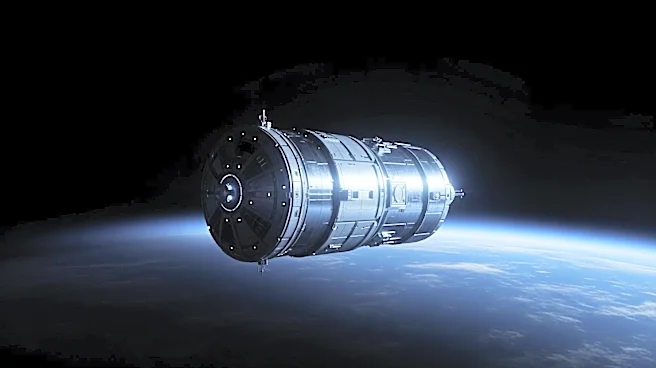
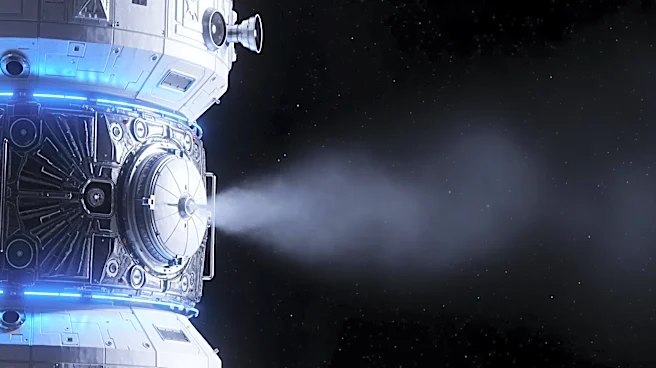
NASA directed five astronauts aboard the International Space Station (ISS) to seek shelter in a spacecraft due to an air leak in the Russian-controlled section of the station. The leak was identified in the Zvezda
module, prompting Roscosmos to plan a repair by cutting a bracket for better access. However, the repair was paused due to potential risks, and NASA lifted the shelter order. The leak, first noted in 2019, has been a persistent issue, with recent measurements indicating an increase in air loss. The situation highlights ongoing challenges in maintaining the aging ISS, which has been operational for over 25 years.
Why It's Important?
The incident underscores the complexities of international collaboration in space, particularly as the ISS approaches the end of its operational life. The station is a critical asset for scientific research and international cooperation, but its aging infrastructure poses risks. The leaks add pressure to NASA's plans for the ISS's future, especially as Russia has not committed to operations beyond 2028. The situation also highlights the strategic importance of maintaining a presence in low-Earth orbit, especially with China's growing capabilities in space.
What's Next?
NASA and its partners must address the technical challenges of maintaining the ISS while planning for its eventual replacement. The agency has committed to operating the ISS through 2030, but the lack of a Russian commitment beyond 2028 complicates future plans. NASA is exploring options for a private-sector replacement, but the transition will require careful planning and international cooperation. The incident may accelerate discussions on the ISS's future and the development of new space infrastructure.
Beyond the Headlines
The leak incident raises questions about the sustainability of international partnerships in space exploration. As geopolitical tensions influence space policy, the ability to maintain collaborative efforts like the ISS is crucial. The situation also highlights the need for robust contingency plans and the development of new technologies to ensure the safety and success of future missions.