




What's Happening?
Comedian Dave Chappelle has publicly addressed President Trump, urging him to reconsider his stance on the Haitian community in Springfield, Ohio. During a CNN broadcast, Chappelle expressed his support for the Haitian migrants, who have become a focal
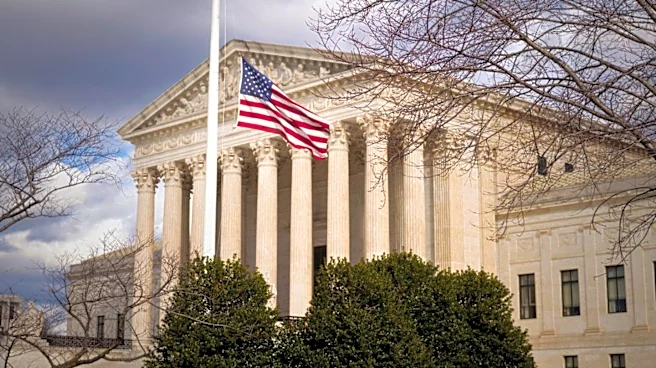
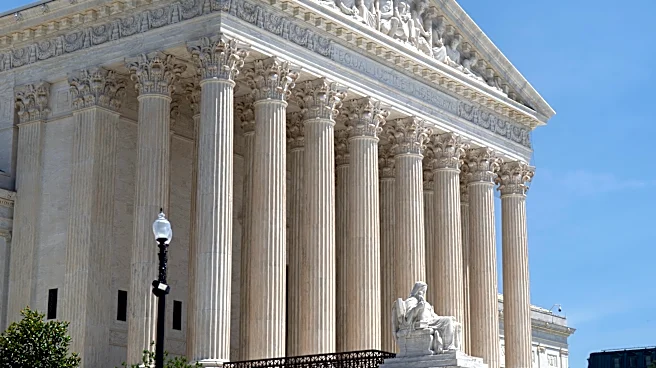
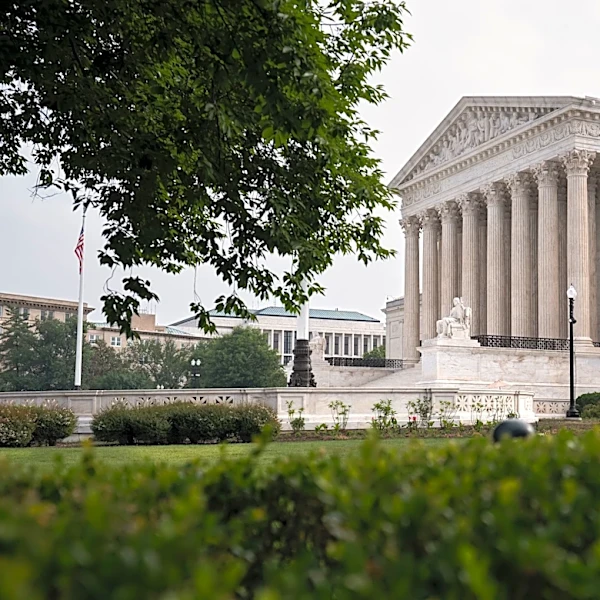
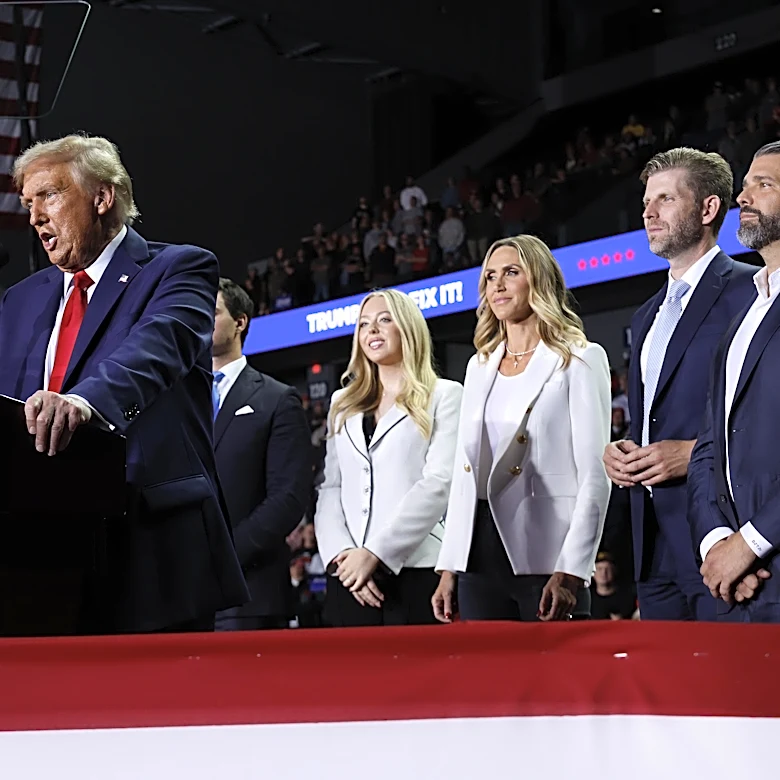
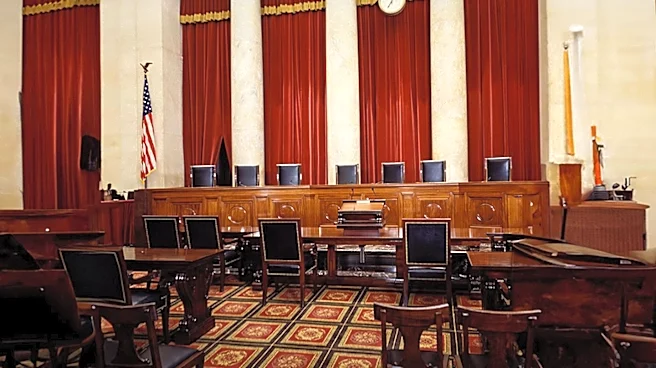
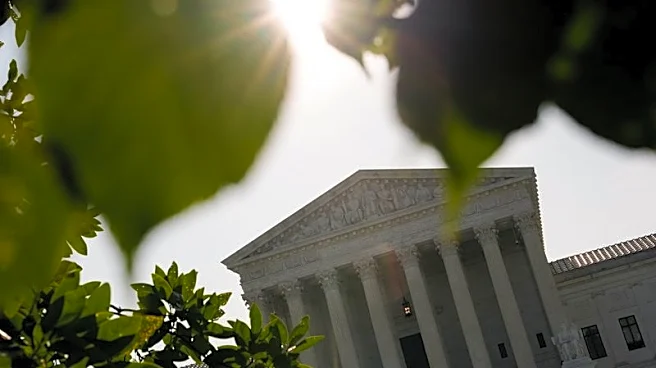
point in political discussions following President Trump's controversial remarks. Trump has accused the community of negative behaviors and has vowed to deport them, a move facilitated by a recent Supreme Court ruling that allows the termination of their temporary protected status. Chappelle, who resides near Springfield, emphasized the local community's affection for the Haitians, stating, 'We love them.' His comments were made during CNN's 'Independence Eve' coverage, where he also reflected on his pride in being American, despite disagreements with government actions.
Why It's Important?
The issue highlights the ongoing debate over immigration policies in the United States, particularly concerning communities with temporary protected status. The Supreme Court's decision to allow the termination of this status for Haitians and Syrians could lead to significant deportations, affecting thousands who have legally resided in the U.S. This development underscores the broader implications of immigration policy on communities and the political landscape, as public figures like Chappelle use their platforms to influence public opinion and policy. The situation also reflects the tension between federal immigration policies and local community sentiments, as seen in Springfield's support for its Haitian residents.
What's Next?
The potential deportation of the Haitian community in Springfield could lead to legal challenges and public protests, as advocates for immigrant rights may seek to block or delay the implementation of the Supreme Court's ruling. Political leaders and civil society groups are likely to engage in discussions and actions to address the humanitarian and social implications of such deportations. The situation may also prompt further debate on the future of temporary protected status and immigration reform in the U.S., influencing upcoming elections and policy decisions.