






What's Happening?
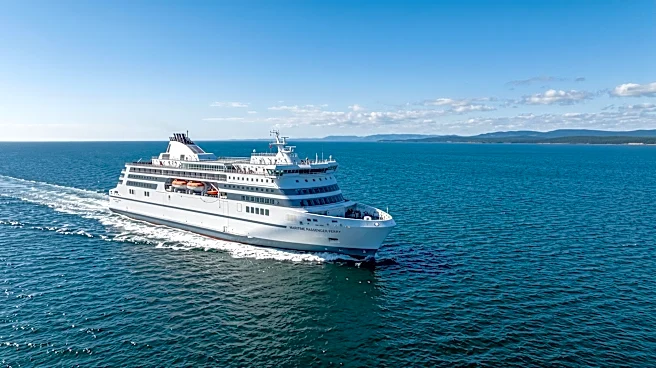
The Steamship Authority has experienced significant service disruptions, leading to delays and cancellations on the Vineyard route, after two vessels were pulled from service due to administrative oversights. The M/V Island Home was sidelined because
its radiotelephony certification, required by the Federal Communications Commission for commercial vessels, had expired. This incident follows an earlier issue with the M/V Monomoy, which was taken out of service for missing a quarterly inspection with the U.S. Coast Guard. General manager Alex Kryska acknowledged the frustration caused to customers and staff, stating that these 'paperwork issues' are unacceptable. He assured the public that the Authority is implementing improvements in recordkeeping and communication to prevent future occurrences. The M/V Martha’s Vineyard was deployed to replace the Island Home, but its lower vehicle capacity contributed to further delays.
Why It's Important?
These administrative lapses at the Steamship Authority highlight critical vulnerabilities in the operational oversight of essential transportation services. The reliance on ferry services for island communities like Martha's Vineyard means that such disruptions have immediate and tangible impacts on residents, businesses, and tourism. The inability to operate vessels due to expired certifications or missed inspections can lead to significant economic losses for local economies dependent on the timely movement of goods and people. Furthermore, these incidents can erode public trust in the reliability and efficiency of public transportation authorities. The need for robust internal controls and proactive management of regulatory compliance is underscored, as failures in these areas can cascade into widespread inconvenience and financial strain for a broad range of stakeholders.
What's Next?
The Steamship Authority is actively working to rectify the expired radiotelephony certification for the M/V Island Home with the Federal Communications Commission, with an estimated return to service by Tuesday at the earliest. General manager Alex Kryska has committed to implementing systemic changes, including entering all regulatory deadlines into a central tracking database and leveraging internal communication systems to ensure staff are notified of statuses well in advance of expiration. These measures aim to prevent similar incidents in the future. The Authority will likely face increased scrutiny from regulatory bodies and the public regarding its compliance procedures. Stakeholders, including local businesses and residents, will be closely monitoring the effectiveness of these new protocols and the Authority's ability to maintain consistent and reliable service.
Beyond the Headlines
The recurring 'paperwork issues' at the Steamship Authority point to a deeper organizational challenge that extends beyond simple administrative errors. Such incidents can reflect systemic issues in organizational culture, where compliance and meticulous record-keeping may not be sufficiently prioritized or integrated into daily operations. This situation raises questions about the adequacy of internal auditing processes and the accountability mechanisms in place. The impact of these disruptions also extends to the broader perception of public sector efficiency and reliability. In an era where digital solutions are readily available for tracking and managing compliance, the reliance on potentially outdated or inefficient manual processes can lead to significant operational vulnerabilities and public dissatisfaction. Addressing these underlying cultural and procedural issues will be crucial for the Steamship Authority to restore confidence and ensure long-term operational stability.