



What's Happening?
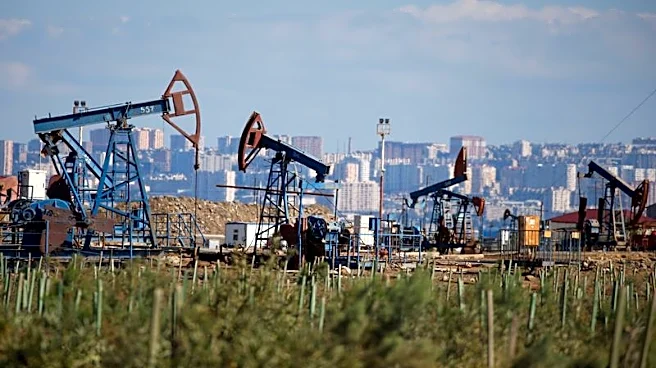
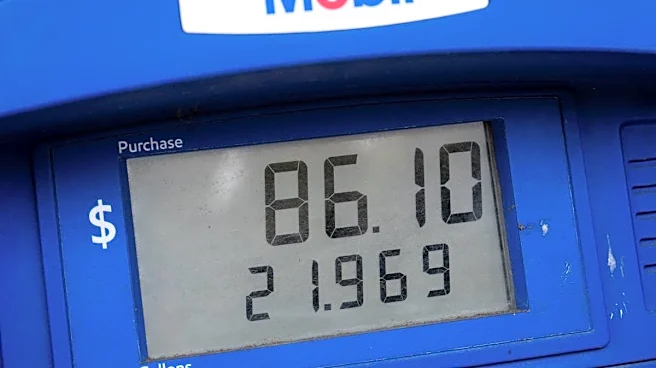
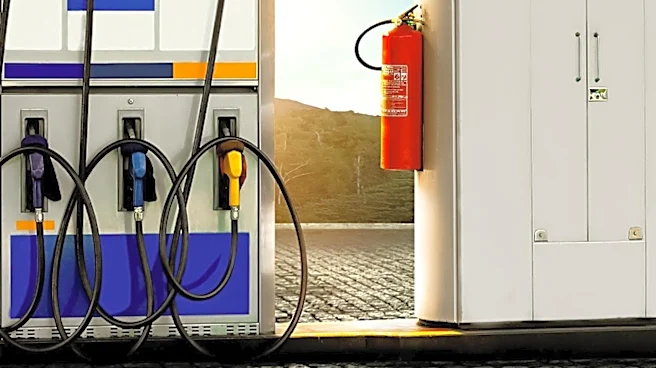
Iran is experiencing a severe gasoline crisis marked by long lines at gas stations and daily consumption exceeding domestic production capacity by tens of millions of liters. The crisis stems from a long-standing policy of artificially stabilizing gasoline prices,
initiated in 2004, which has devalued fuel, discouraged conservation, and stifled investment in transportation infrastructure and refineries. This has led to a massive imbalance between supply and demand. The situation is compounded by an outdated vehicle fleet with high fuel consumption rates and a monopolistic automotive industry that limits consumer choices. The crisis also fuels organized smuggling due to the vast price gap between domestic and neighboring country fuel prices, raising concerns about corruption within the distribution system. Furthermore, the widespread use of fuel-inefficient vehicles contributes significantly to severe air pollution in major Iranian cities, imposing substantial health and environmental costs.
Why It's Important?
The deepening gasoline crisis in Iran has profound implications across multiple sectors. Economically, it strains the public budget as the government is forced to allocate more resources to fuel imports or emergency production, diverting funds from much-needed investments. International isolation and political tensions further complicate access to global fuel markets, making the crisis a significant vulnerability for the country's economic security. Socially, the long lines at gas stations erode public trust, reminiscent of past incidents like the November 2019 protests over fuel price hikes. The crisis disproportionately affects ordinary citizens who are caught between inefficient public transportation and fuel-inefficient vehicles. Environmentally, the reliance on outdated, high-emission vehicles exacerbates air pollution, leading to increased public health issues and associated healthcare costs, which are hidden but substantial burdens on society.
What's Next?
The immediate future for Iran's gasoline crisis appears challenging, with no clear resolution in sight. The government faces a dilemma: a sudden price increase could trigger widespread public unrest, given the collective memory of past protests, while continued artificial price stabilization will only deepen the supply-demand imbalance and associated economic strains. The crisis is likely to persist as long as fundamental issues like outdated infrastructure, lack of investment in refining capacity, and the prevalence of fuel-inefficient vehicles remain unaddressed. The issue of organized fuel smuggling is also expected to continue, further draining national resources. Without significant structural reforms in energy policy, transportation, and the automotive industry, Iran will likely continue to grapple with fuel shortages, budget pressures, environmental degradation, and a growing crisis of public trust.
Beyond the Headlines
Beyond the immediate shortages, Iran's gasoline crisis exposes the deep-seated failures of a centralized economic system lacking transparency and accountability. The long-term artificial suppression of fuel prices, intended as a populist measure, has created a distorted market that discourages efficiency and investment. This policy has fostered an environment ripe for corruption and organized smuggling, indicating a breakdown in governance and regulatory oversight. The crisis also highlights the broader societal costs of such policies, where the true price of 'cheap' fuel is paid through public health crises due to air pollution, reduced labor productivity, and environmental damage. This situation underscores how political decisions aimed at short-term public appeasement can lead to severe, long-term economic, social, and environmental consequences, ultimately eroding the very public trust they sought to maintain.