






What's Happening?
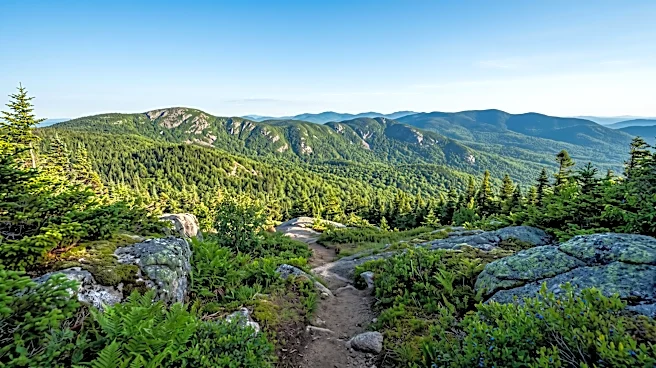
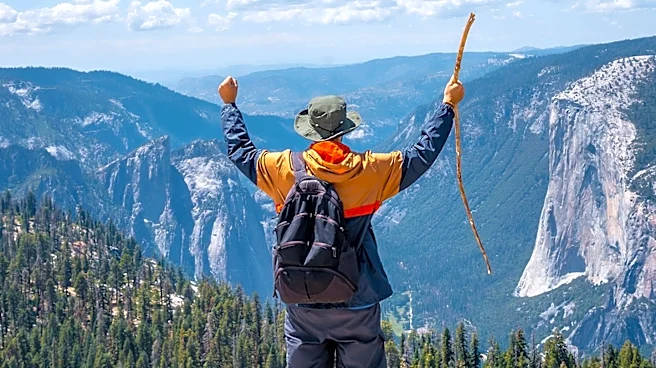
U.S. National Parks provide a wide array of nature walks and outdoor activities suitable for various interests and fitness levels. Families can enjoy easy nature walks and picnics, while more adventurous individuals can explore longer hiking trails. Photography
is also a popular activity, allowing visitors to capture scenic mountain views, waterfalls, and wildlife. Parks like Grand Canyon National Park are highlighted for their scenic viewpoints and nature walks. Other notable parks, such as Yellowstone, Yosemite, and Zion, also offer extensive opportunities for nature walks, wildlife watching, and exploring unique geological formations. Visitors are advised to follow park rules, check weather conditions, and stay on marked trails to ensure a safe and enjoyable experience.
Why It's Important?
The availability of diverse nature walks and activities in National Parks is crucial for promoting public health, environmental education, and conservation. These parks serve as vital natural laboratories and recreational spaces, offering accessible opportunities for people to connect with nature. This connection can foster a deeper appreciation for biodiversity and ecosystem health, encouraging greater support for conservation efforts. Economically, National Parks are significant drivers of tourism, supporting local businesses and creating jobs in surrounding communities. The emphasis on safety and adherence to park rules also underscores the importance of responsible recreation, minimizing human impact on fragile ecosystems and ensuring the long-term sustainability of these protected areas for future generations.
What's Next?
National Parks will likely continue to enhance their offerings, potentially introducing new guided walks, interpretive programs, and digital tools to enrich the visitor experience. There may be an increased focus on accessibility to ensure that nature walks are enjoyable for individuals of all abilities. As visitor numbers grow, park management will need to balance recreational demand with conservation imperatives, possibly through advanced reservation systems or educational campaigns on Leave No Trace principles. Furthermore, ongoing research and monitoring within the parks will inform management strategies to protect wildlife and natural habitats, ensuring that these iconic landscapes remain pristine and accessible for future generations of nature enthusiasts.
Beyond the Headlines
The enduring popularity of nature walks in National Parks reflects a fundamental human need for connection with the natural world, offering respite from urban environments and digital overload. These experiences contribute to a broader cultural narrative about America's natural heritage and the importance of preserving wild spaces. Beyond physical activity, nature walks can foster mindfulness, reduce stress, and inspire creativity, contributing to holistic well-being. The parks also serve as critical sites for scientific research, providing invaluable data on climate change, biodiversity, and ecological processes. Thus, nature walks are not merely recreational but are integral to scientific understanding, cultural identity, and the promotion of a sustainable relationship between humans and the environment.